

A cranberry fragrance oil scent profile needs a recognizable red-fruit direction, not simply a sharper opening. Decide how tart the fragrance should seem and what should support that impression. Tart is an odor association in this brief, not a measurement of acidity. A sample can be bright yet miss the intended cranberry identity, so fruit recognition and overall sharpness need separate evaluation.
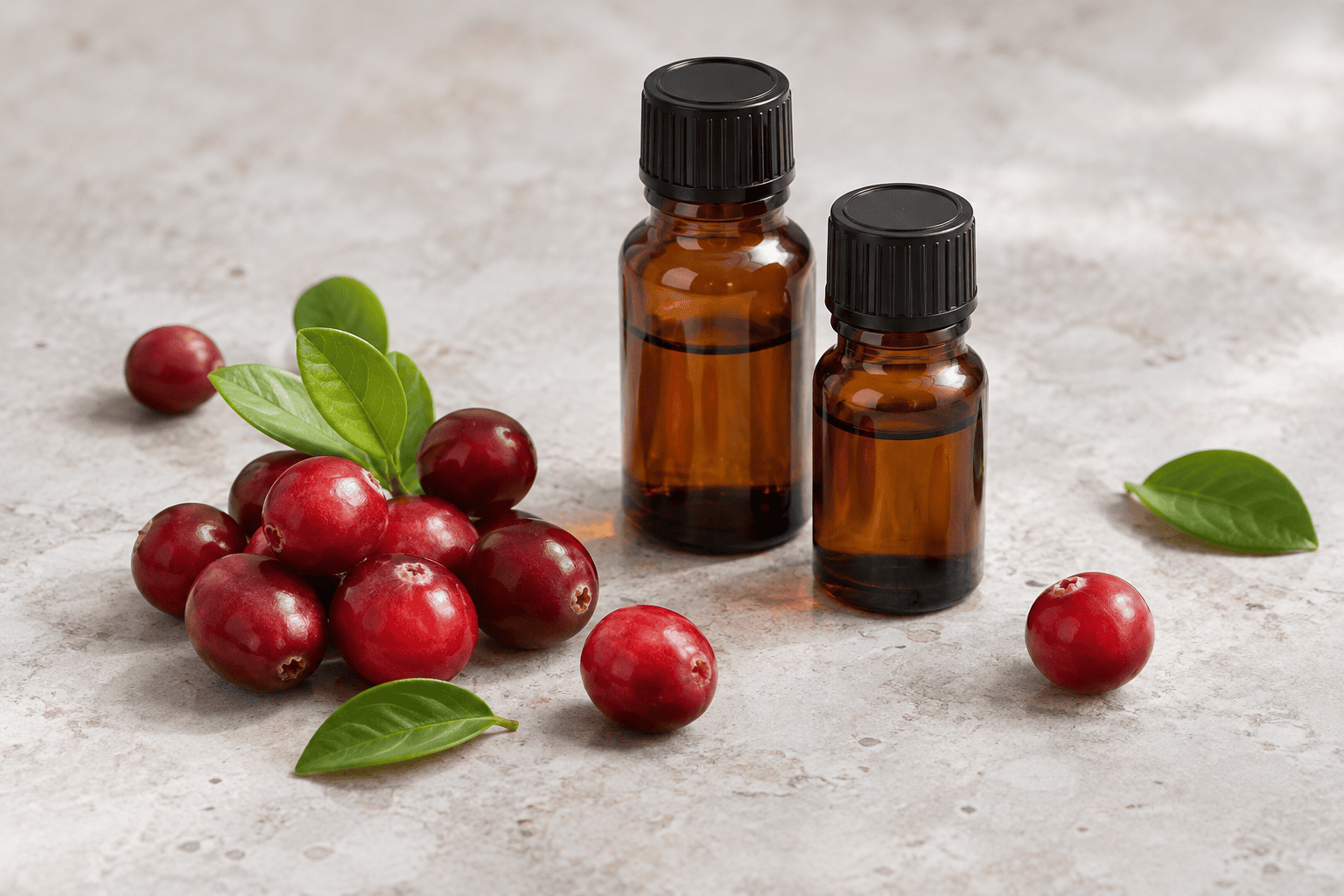
Start with cranberry rather than an abstract freshness target
Ask evaluators what fruit or product the sample suggests before revealing its name. A published cranberry-woods interpretation combines cranberry with other fruit and herbaceous support.Source: CandleScience: cranberry with herbaceous and woody support It is one creative reference, not a formula requirement. Define whether the project should be fruit-led or deliberately woody and seasonal. A supplier cannot resolve those different objectives from a request for fresher cranberry alone.
Translate tartness into observable scent language
Use an accepted reference to explain the contrast you want. Record whether assessors mean bright fruit, a dry edge or an uncomfortable sharp impression when they say tart. Those responses do not identify acids or establish the concentrate’s pH. If an opening resembles a citrus cleaner more than cranberry, identify that specific association instead of assuming that every sharp-smelling ingredient must be removed.
Separate sweetness from the fruit’s recognizability
Lower perceived sweetness may fit one concept but can also leave an indistinct dry background. Compare a modest set of candidates with sweetness and cranberry identity on different lines. Avoid choosing only the least sweet sample without checking whether the main theme survives. A candy-like interpretation is not automatically defective; it belongs to another brief when your intended product calls for sharper red fruit.
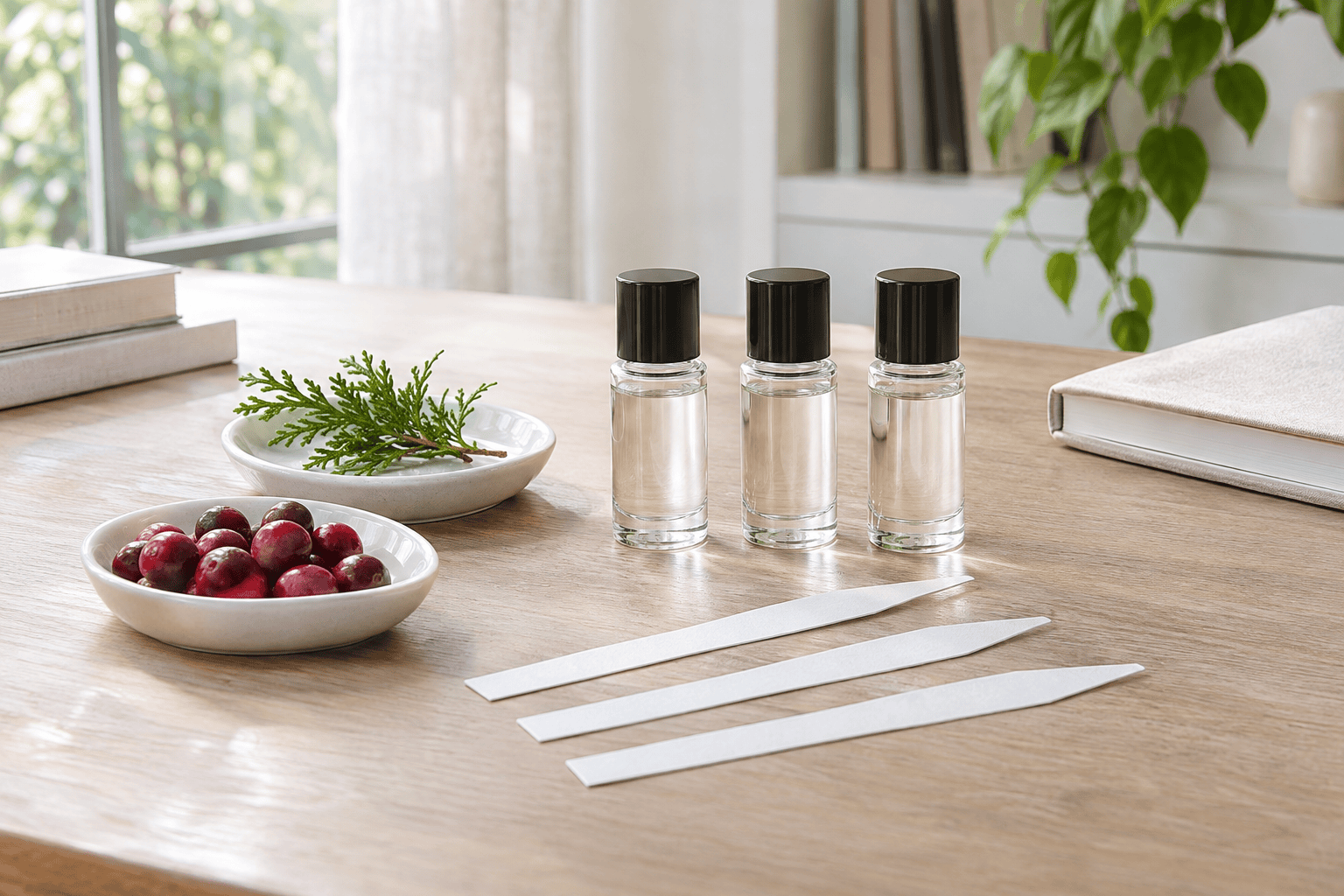
Choose whether greenery and spice belong in the background
Supporting leaves, woods or spice can change the story substantially. State which support is welcome and which should remain barely noticeable. If the desired product is a year-round fruit fragrance, do not accept a dominant seasonal-spice association simply because the name still says cranberry. Compare with the nearest existing scent in the range so a new label does not conceal the same overall experience.
Use the application to confirm the shortlist
Prepare samples in the actual base under documented, technically reviewed conditions. Match preparation, age and evaluation timing, and note the important stage of customer use. Bottle odor does not establish how cranberry will read in wax or a surfactant base. Keep physical compatibility, safety and documentation separate from sensory preference. The comparison table is an original briefing structure, not an account of tested SHEAIN performance.
| Dimension | Useful observation | Avoid assuming |
|---|---|---|
| Identity | Cranberry or general bright fruit? | The label supplies recognition |
| Tartness | Fruit contrast or unwanted sharpness? | Odor establishes pH |
| Sweetness | Supportive or candy-led? | Least sweet is always best |
| Background | Green, woody or spicy support? | All cranberry concepts are seasonal |
Send a revision with a clear red-fruit priority
A practical request could preserve recognizable cranberry, reduce a citrus-cleaner opening and keep sweetness supportive rather than syrupy. Include reference codes, application, target market and the stage where the unwanted effect appears. SHEAIN can discuss sample feasibility against that description. Confirm the approved mixture and revision before ordering, and keep any botanical-content requirement separate from the sensory language used to choose the fragrance.
Frequently Asked Questions
Does tart cranberry fragrance contain cranberry juice?
Do not infer composition from the scent name. Request documents for any ingredient-origin requirement.
Can more citrus make a sample more cranberry-like?
Not necessarily. It may increase brightness while changing the main identity. Judge the actual comparison.
Can the same sample approve several applications?
No automatic transfer applies. Confirm suitability and performance for each intended product base.
Related Guides and Application Support
- Grapefruit Fragrance Oil Scent Profile: Juice, Peel and Bitterness
- Watermelon vs Cucumber Fragrance Oil: Juicy Fruit or Green Freshness?
Contact SHEAIN. Share your end-use application, target market and scent brief to discuss fragrance oil concentrate samples.


