

Fragrance oils are chemically formulated, stable liquid scents that differ from single-plant essential oils. Unlike the latter, these oils can be replicated consistently and are more affordable. They are widely used in household and personal care products, such as laundry detergents, body washes, and perfumes.
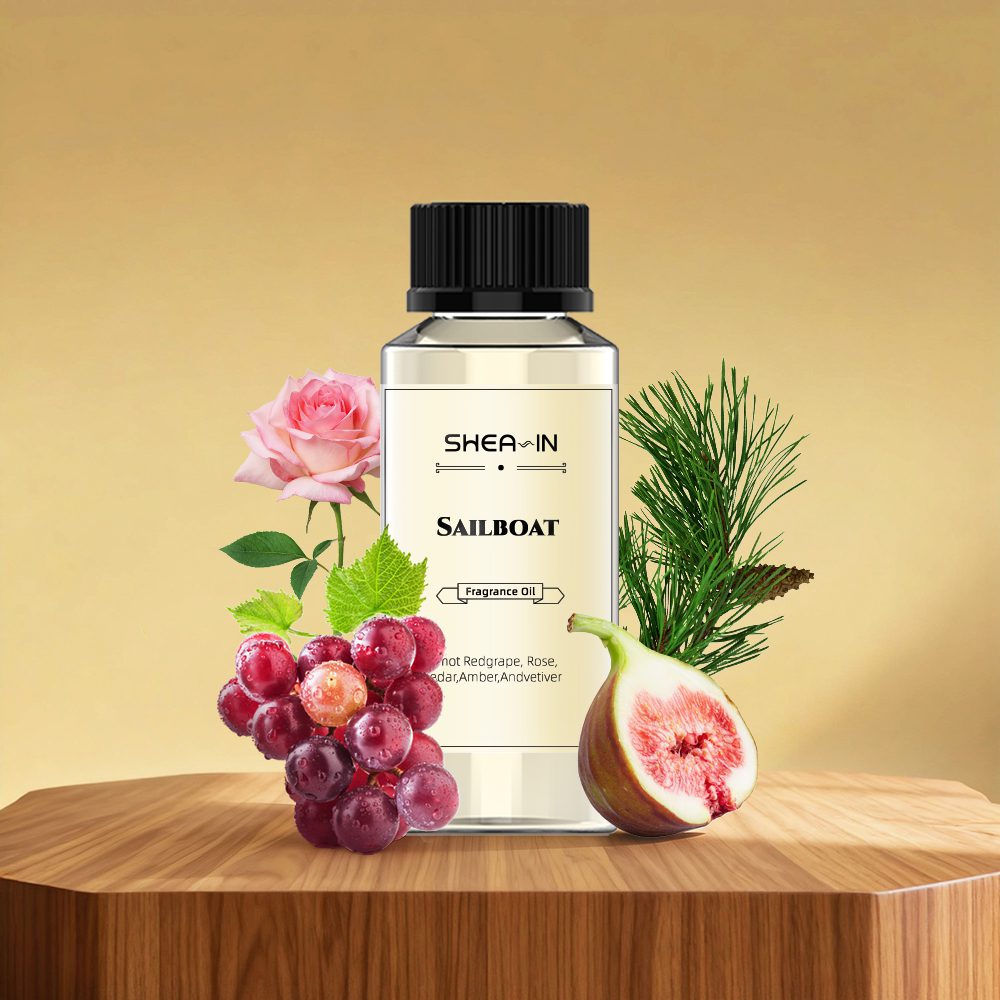
How is Fragrance Oil Made?
Many people ask about the fragrance oil manufacturing process. In general, fragrance oils are created by professional perfumers using either plant fragrance oils or synthetic chemical fragrance oils.Solvents and carriers are used to ensure stability. Fixatives are also used to improve scent longevity. Each formulation is precisely developed to ensure consistent fragrance diffusion, quality between batches, and compatibility with different product bases. This controlled process guarantees that fragrance oils deliver consistent performance in products such as candles, diffusers, sprays, and cleaning solutions.
Fragrance Oil Uses in Different Industries
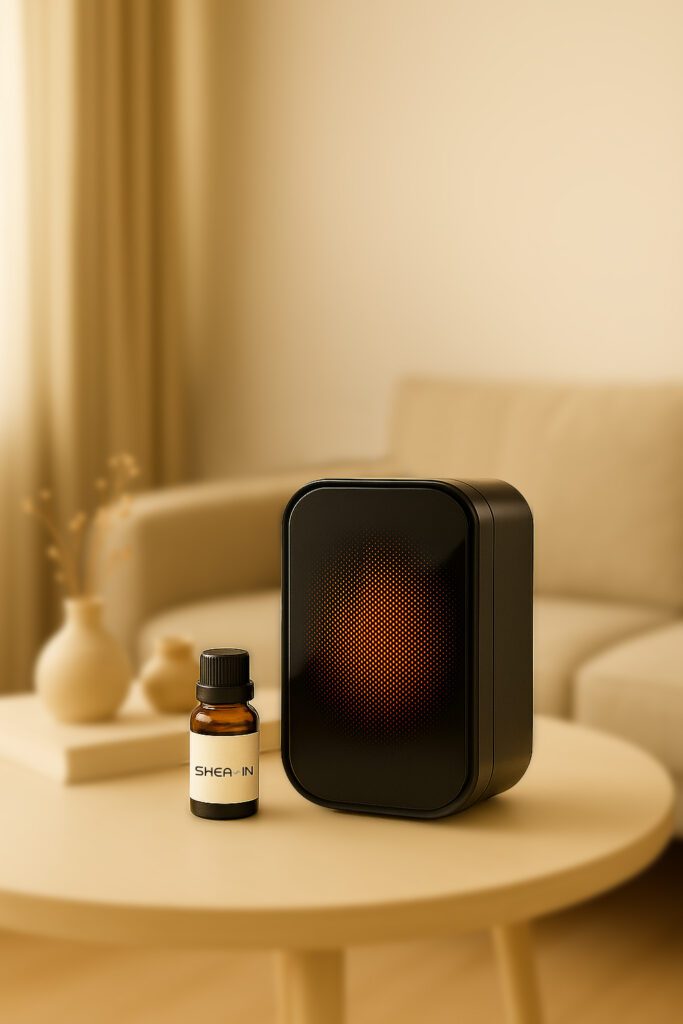
One of the greatest advantages of Fragrance Oil lies in their versatility. Home Fragrancing: Aromatherapy diffusers, reed diffusers, air fresheners, scented candles. Commercial and Industrial Applications: Diffusion systems for offices and public spaces, OEM and private label fragrance diffusion solutions, OEM and private label fragrance solutions. Due to their special processing for stability, these Fragrance Oil are particularly suitable for large-scale production and commercial fragrance projects.
Fragrance Oil vs Essential Oil: What’s the Difference?
A common comparison is fragrance oil vs essential oil, and while both provide scent, they serve different purposes.
Fragrance oils are formulated blends, while essential oils are plant extracts. Fragrance oils exhibit significantly greater fragrance stability compared to essential oils, which can vary depending on the harvest batch of the plant source. Fragrance oils offer a higher degree of customization, whereas essential oils are more limited in this regard. In terms of cost, fragrance oils provide better value for money.
For brands focused on consistent scent performance, cost control, and scalability, fragrance oils are often the preferred solution. B2B brands opt for essential oils due to these advantages: long-lasting fragrance retention, high formulation flexibility, stable bulk production supply, and compatibility with multiple product categories. Whether for candles, diffusers, or home care products, fragrance oils help brands There is the same fragrance.

How to Choose the Right Fragrance Oil Supplier
When sourcing fragrance oils, it’s essential to work with a supplier that offers: Professional fragrance development capabilities Quality control and batch consistency Regulatory compliance support Custom fragrance formulation services. A reliable fragrance supplier can help brands scale faster while maintaining scent quality and brand differentiation.
So, what is fragrance oil?
It is a professionally formulated scent solution designed for versatility, consistency, and commercial performance. From home fragrance to large-scale scenting applications, fragrance oils play a key role in helping brands deliver memorable and reliable scent experiences. If you are developing fragrance-based products or looking for a long-term fragrance solution, fragrance oils offer flexibility and performance that meet modern market demands.


