Address
304 North Cardinal St.
Dorchester Center, MA 02124
Work Hours
Monday to Friday: 7AM - 7PM
Weekend: 10AM - 5PM

Address
304 North Cardinal St.
Dorchester Center, MA 02124
Work Hours
Monday to Friday: 7AM - 7PM
Weekend: 10AM - 5PM

The global fragrance industry is evolving beyond traditional perfume and home scent products. In 2026, one of the fastest-growing trends is the rise of functional fragrance—a fragrance category designed to support mood, wellness, and emotional experiences.
According to recent industry coverage from Vogue Business, consumers are increasingly choosing fragrances based not only on scent preference, but also on how a fragrance makes them feel.
This shift is changing the way fragrance oils are developed, marketed, and used across industries.
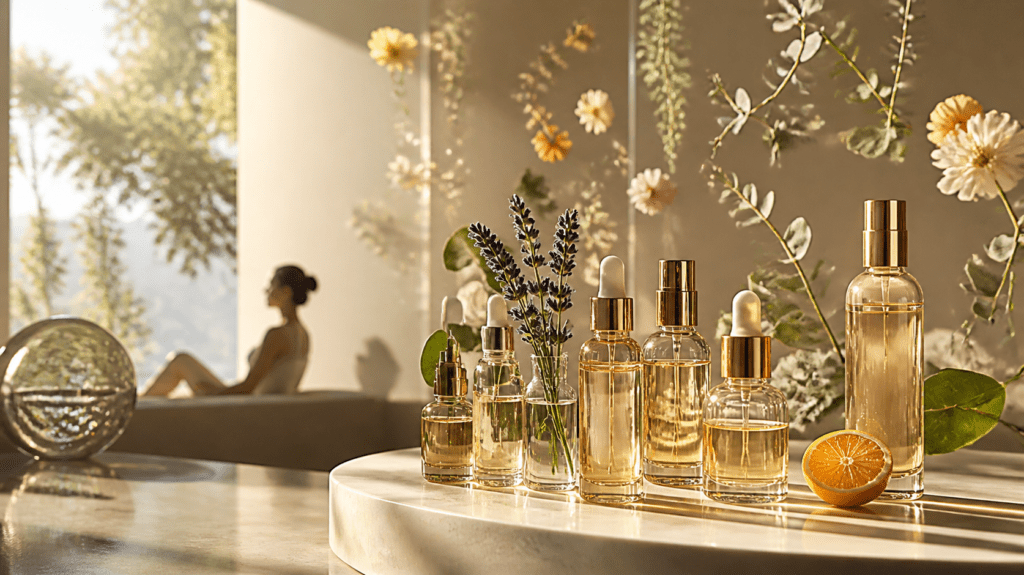
Functional fragrance refers to scent products designed with a specific emotional or environmental purpose.
Rather than focusing only on luxury or personal style, functional fragrances aim to help create experiences such as:
This trend reflects a broader consumer movement toward self-care, mindfulness, and lifestyle wellness.
Recent reports from Vogue Business highlight how fragrance is increasingly positioned alongside wellness products such as skincare, supplements, and aromatherapy solutions.
Consumers now use fragrance in daily routines including:
As a result, fragrance is becoming more experience-driven rather than purely cosmetic.
One major development in 2026 is the growing demand for scent collections designed around emotions and environments.
Popular fragrance categories now include:
Soft floral, woody, and warm fragrance profiles used to create calming environments.
Citrus, mint, and fresh green scents associated with alertness and freshness.
Vanilla-inspired, musky, and soft amber notes designed to create warmth and emotional comfort.
Clean herbal and fresh aromatic profiles used in office and productivity environments.
As functional fragrance expands, fragrance oils are becoming increasingly important due to their flexibility and performance advantages.
Compared to traditional fragrance formats, fragrance oils offer:
These characteristics make fragrance oils particularly suitable for:
The trend is also influencing commercial fragrance applications.
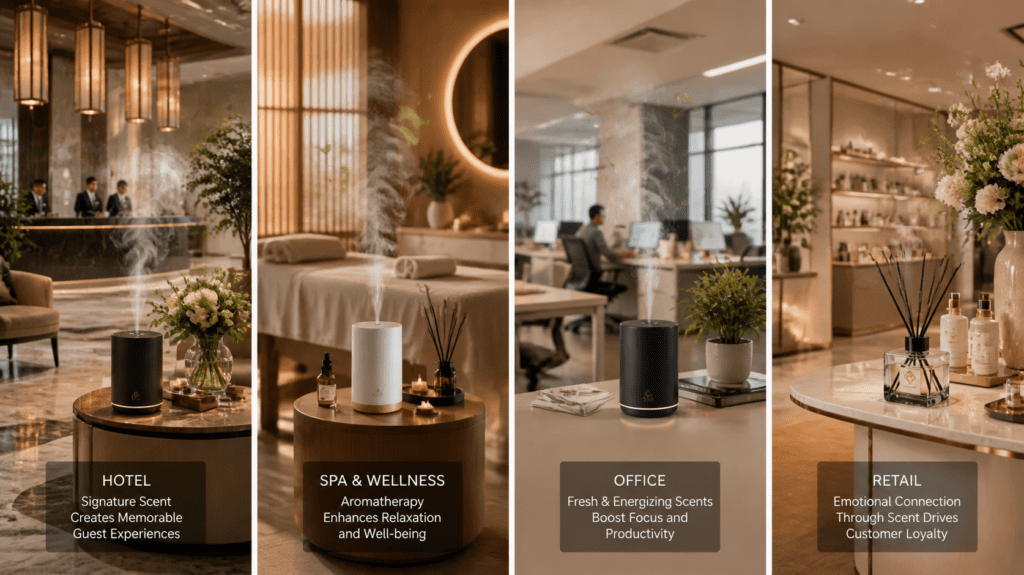
Hotels, wellness centers, retail stores, and office environments are increasingly using fragrance to shape customer and employee experiences.
Examples include:
This demonstrates how scent is becoming part of environmental design and brand identity.
According to recent fragrance industry coverage published by Vogue Business in 2026, functional fragrance is expected to remain one of the most influential fragrance trends in the coming years.
As consumers continue prioritizing wellness and emotional experience, demand for purpose-driven fragrance products is expected to grow across both consumer and commercial markets.
The expansion of functional fragrance marks a major shift in the fragrance industry. Scent is no longer viewed only as a luxury product—it is becoming part of daily wellness routines, emotional environments, and lifestyle experiences.
For fragrance oil suppliers and brands, this trend creates new opportunities in mood-based fragrance development, home fragrance solutions, and commercial scent applications.
As the market continues evolving, fragrance oils designed for emotional and environmental experiences are likely to play an increasingly important role in the future of scent.