
Safety and compliance are paramount in the fragrance industry. Whether used in fragrance oils, essential oils, personal care products, or scent applications, fragrance ingredients must meet recognized safety standards.
Understanding IFRA helps fragrance brands, suppliers, and buyers ensure product safety, compliant operations, and long-term market credibility.

What is IFRA?
The International Fragrance Association (IFRA) is an international organization representing the global fragrance industry. It establishes safety standards for fragrance ingredients used in consumer products worldwide.
IFRA collaborates closely with scientific experts and regulatory bodies to evaluate fragrance ingredients based on toxicological research and risk assessments.
This organization develops and maintains IFRA standards, providing usage guidelines and concentration limits for fragrance ingredients to ensure user safety under intended applications.
What are IFRA standards?
IFRA standards specifically include: restricting or prohibiting certain fragrance ingredients, setting maximum usage concentrations based on application type, and ensuring fragrance formulations are safe for consumers.
These standards are regularly updated to reflect the latest scientific findings and global regulatory changes.
For essential oil manufacturers and suppliers, adhering to IFRA standards demonstrates a commitment to safety and responsible formulation.

Why is IFRA so important for fragrance oils?
1.Ensuring Consumer Safety
IFRA assesses potential risks of fragrance ingredients, including: skin sensitization, irritation, toxicity risks, and hazards from long-term exposure.
2.Supporting Global Regulatory Compliance
Many countries reference IFRA standards when developing local fragrance regulations.
IFRA compliance helps fragrance suppliers: access international markets, reduce regulatory risks, and avoid formulation adjustments.
For B2B buyers, IFRA compliance streamlines global distribution processes.
3.Building Trust with Professional Buyers
Safety documentation is critical in commercial fragrance applications.
For a specified fragrance and use, buyers can request a supplier-issued IFRA Certificate of Conformity and applicable Safety Data Sheets (SDS). Check the documents against the destination market’s requirements.
Transparency measures bolster buyer confidence and foster long-term partnerships.
While some essential oils derive from plants, they may contain natural allergens or sensitizing components. IFRA Standards provide category-specific use restrictions; safety also depends on the complete finished product and applicable law.
What is an IFRA Certificate?
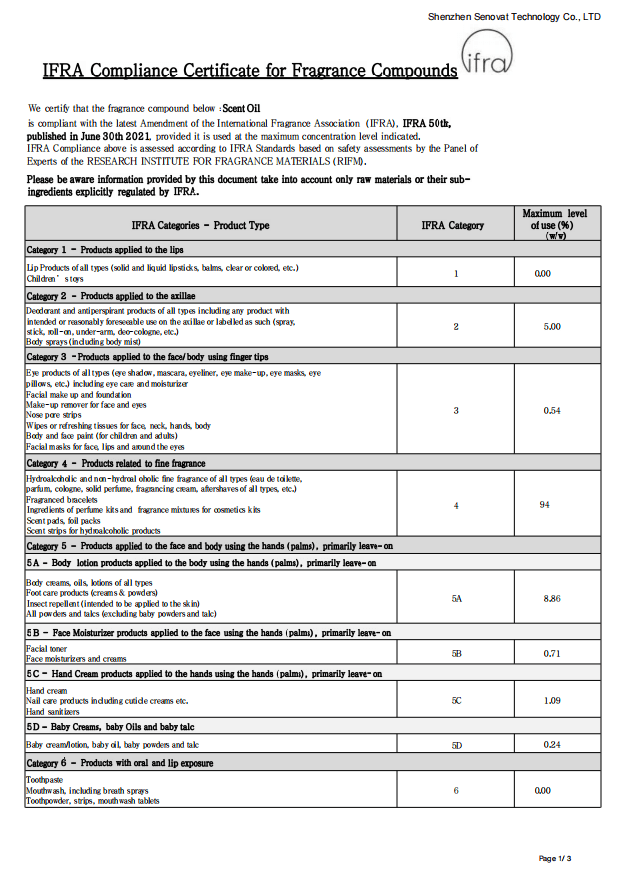
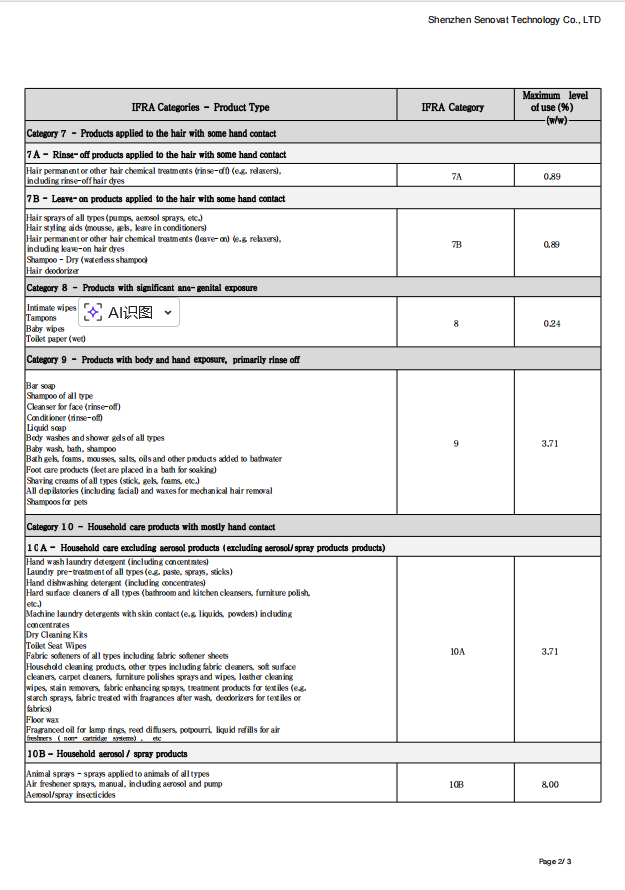
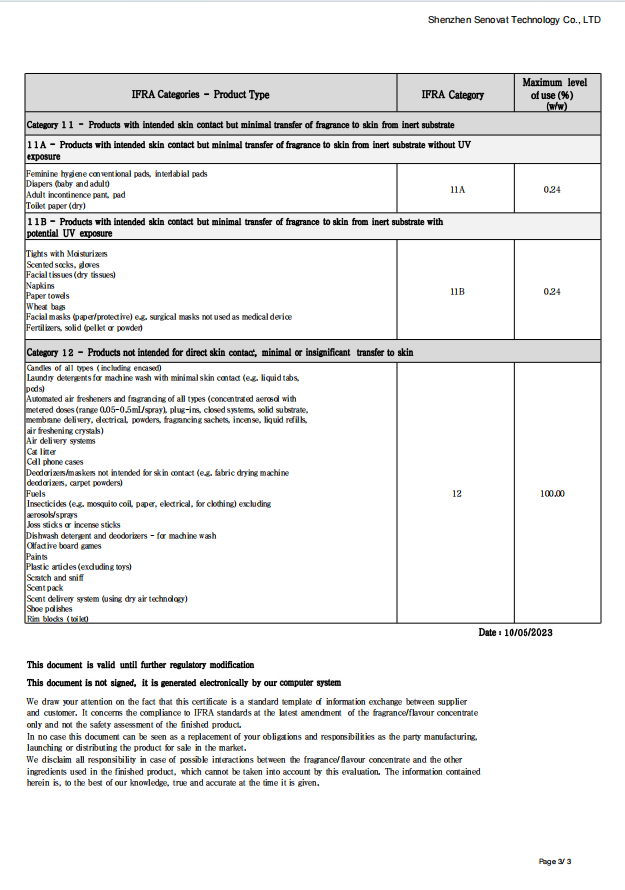
An IFRA Certificate is a document issued by fragrance suppliers confirming that a specific fragrance formulation complies with current IFRA standards. It typically includes: product name, IFRA revision version, application category, and maximum permitted use concentration.
For fragrance oil buyers, requesting an IFRA Certificate is a standard procedure for evaluating suppliers.
Why do fragrance brands prioritize IFRA compliance?
Using IFRA Standards can support fragrance risk management and buyer documentation, but does not by itself guarantee finished-product safety, legal compliance or market access.
In today’s regulatory landscape, compliance is not optional—it is a core element of professional fragrance production.
For buyers: verify the certificate for your exact fragrance and use
An IFRA Certificate of Conformity is prepared by the fragrance mixture manufacturer, not issued by IFRA itself. Check that it identifies the relevant fragrance, current standards amendment, intended product category and maximum use level. The certificate does not replace a finished-product safety assessment or compliance with local law. See IFRA’s guidance on using the Standards.
If you are sourcing fragrance oil for a candle, diffuser, detergent or personal-care base, share the application, destination market and expected use level. Review our OEM and private-label fragrance oil service, or contact SHEAIN about your project and the applicable documents.


