

Laundry fragrance layering with odor control products can produce a pleasant first impression and still leave an unwanted odor detectable later. Assess the original odor and the desired fragrance as two separate observations. Compare each finished product on its own and the intended sequence together, using fabric and timing that match the customer’s use. Layering here means the approved sequence of use, not mixing undiluted products.
Define the odor you want to reduce independently of the scent
Name the unwanted background odor in ordinary words, and agree on when it should no longer interfere with the experience. Treat the fragrance direction as a separate requirement. A character such as clean cotton can be recognizable while a musty note is still detectable. A single liking score cannot tell the product team which of the two requirements did not hold up.
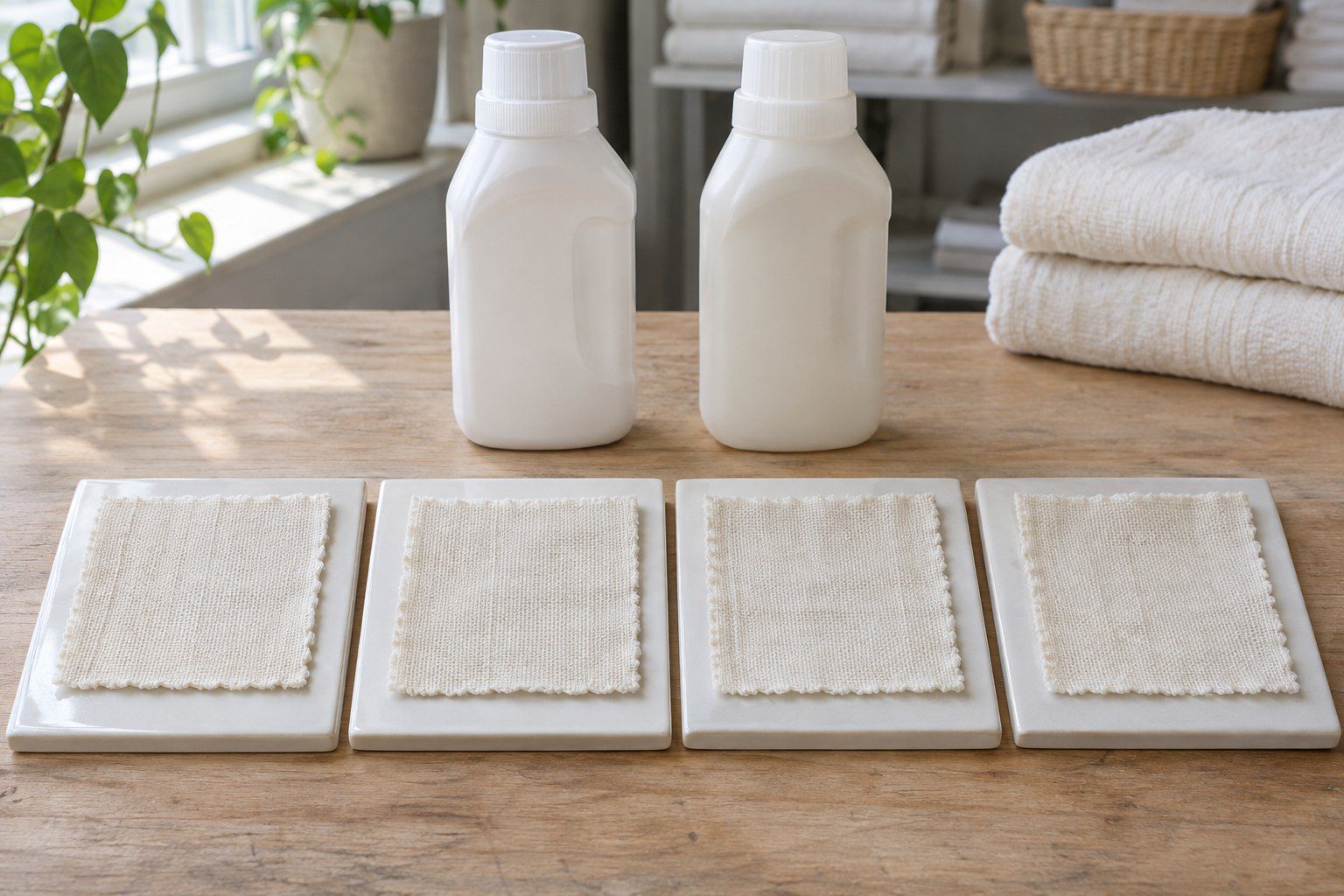
Build four separate comparison arms
Use a matched baseline, the fragranced product alone, the odor-control product alone, and the intended use sequence, when the combination is approved. Prepare separate fabric units for each arm under a suitable published or internal procedure. Using the same item sequentially for all readings would carry yesterday’s treatments into today’s sample. Never combine products beyond their labeled or approved directions.
| Test arm | What to record | What it cannot show alone |
|---|---|---|
| Matched baseline | Original odor and fabric background | Effect of either treatment |
| Each product alone | Which notes change under each approved use | Combined sequence behavior |
| Approved sequence | Desired fragrance and residual odor at each stage | A chemical mechanism or universal result |
Choose real observation points for the intended use
Agree on the relevant point after treatment, after drying, and after storage if appropriate to the product. Keep fabric construction, washer conditions or treatment method, and timing comparable. Store individual coded samples separately so fragrance transfer does not turn a control into a treated sample. Note if a wet fabric and a stored dry fabric must be assessed as different conditions.
Give the panel two questions, not one
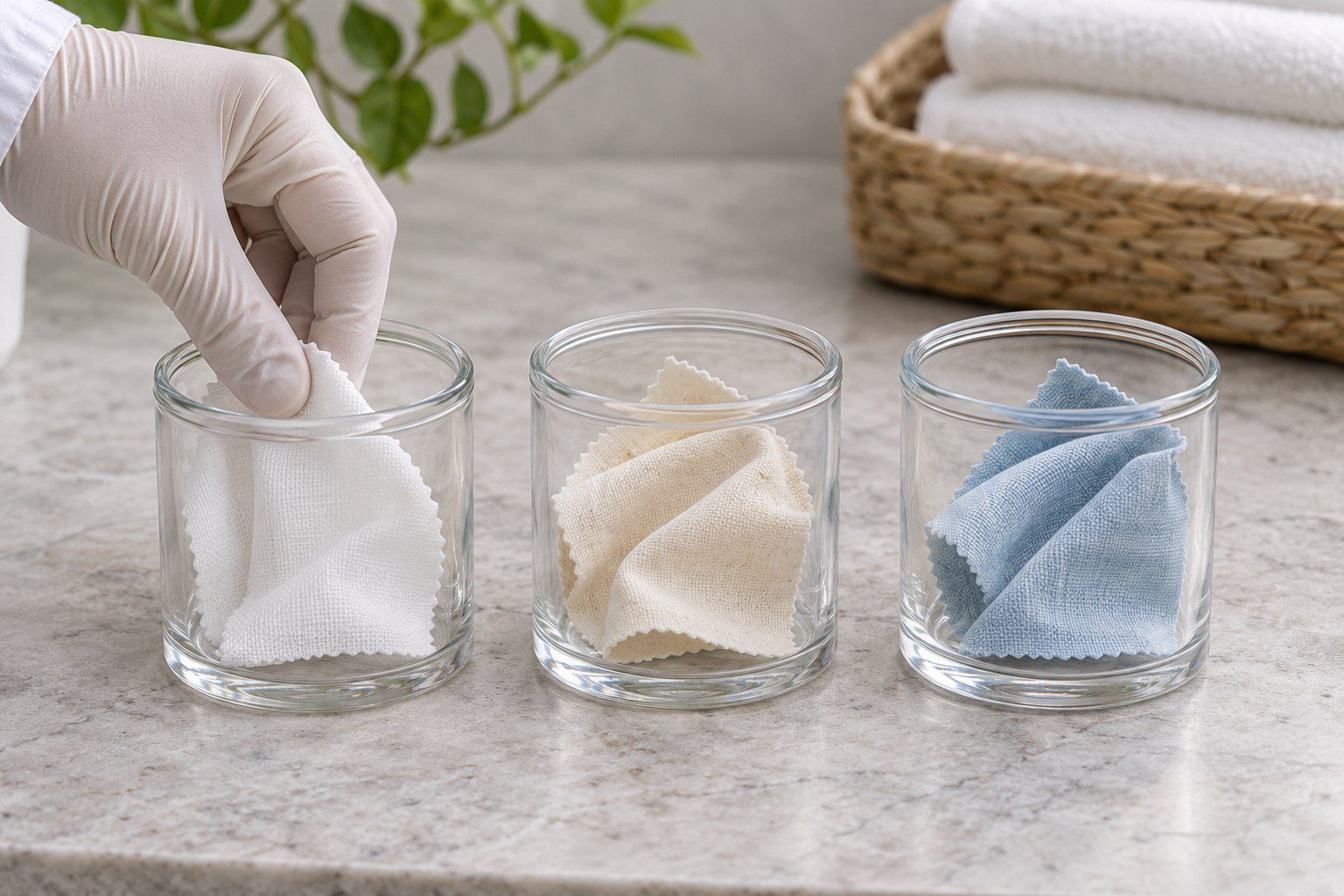
Ask if the original unwanted note remains detectable and separately ask if the intended fragrance is recognizable and balanced. Provide a neutral descriptor anchor or plain wording, without identifying the treatment. Compare against the odor-control-only arm so its characteristic scent is not automatically scored as either residual malodor or a success of the fragrance. Keep low-confidence observations visible.
Read a stronger combined result cautiously
A stronger odor impression in the combined arm can reflect additional perfume, changed character or the persistence of the original unwanted note. Report whether an unwanted note disappears in one stage and reappears at another. The sensory pattern alone cannot establish a chemical mechanism or prove that an odor source has been removed. If the claim requires other evidence, route it to the appropriate qualified team.
Write the next request around a specific result
Give the supplier product versions, base materials, fabric, sequence, evaluation time, coded arm results and the two independent criteria. For example, if the desired fresh profile is present after drying but a musty note reappears during storage, request a comparison that preserves the dry profile and addresses the storage observation. Do not start by requesting more fragrance or by substituting an unrelated odor-control format.
Frequently Asked Questions
Does a stronger perfume indicate better odor control?
No. Record the unwanted note and the desired fragrance independently.
Can I mix the two products before testing?
No unless that is the validated use direction. Evaluate only the approved use pattern.
Do all four arms need the same fabric?
They should use comparable fabric and history within each comparison. Assess another fabric separately.
Related Guides and Application Support
- Malodor Control Fragrance: Masking, Neutralization and Sensory Testing Explained
- Fragrance Oil for Liquid Laundry Detergent: Stability and Wash Tests
Contact SHEAIN. Share your end-use application, target market and scent brief to discuss fragrance oil concentrate samples.


