

Lily of the valley fragrance oil, often described with the perfumery term muguet, can communicate fresh petals, watery lightness, green accents or a familiar clean-soap association. Those impressions should be evaluated separately. If a sample feels too soapy, removing all fresh floral character may solve the wrong problem. Define the particular clean effect you want and the association you would prefer to avoid.
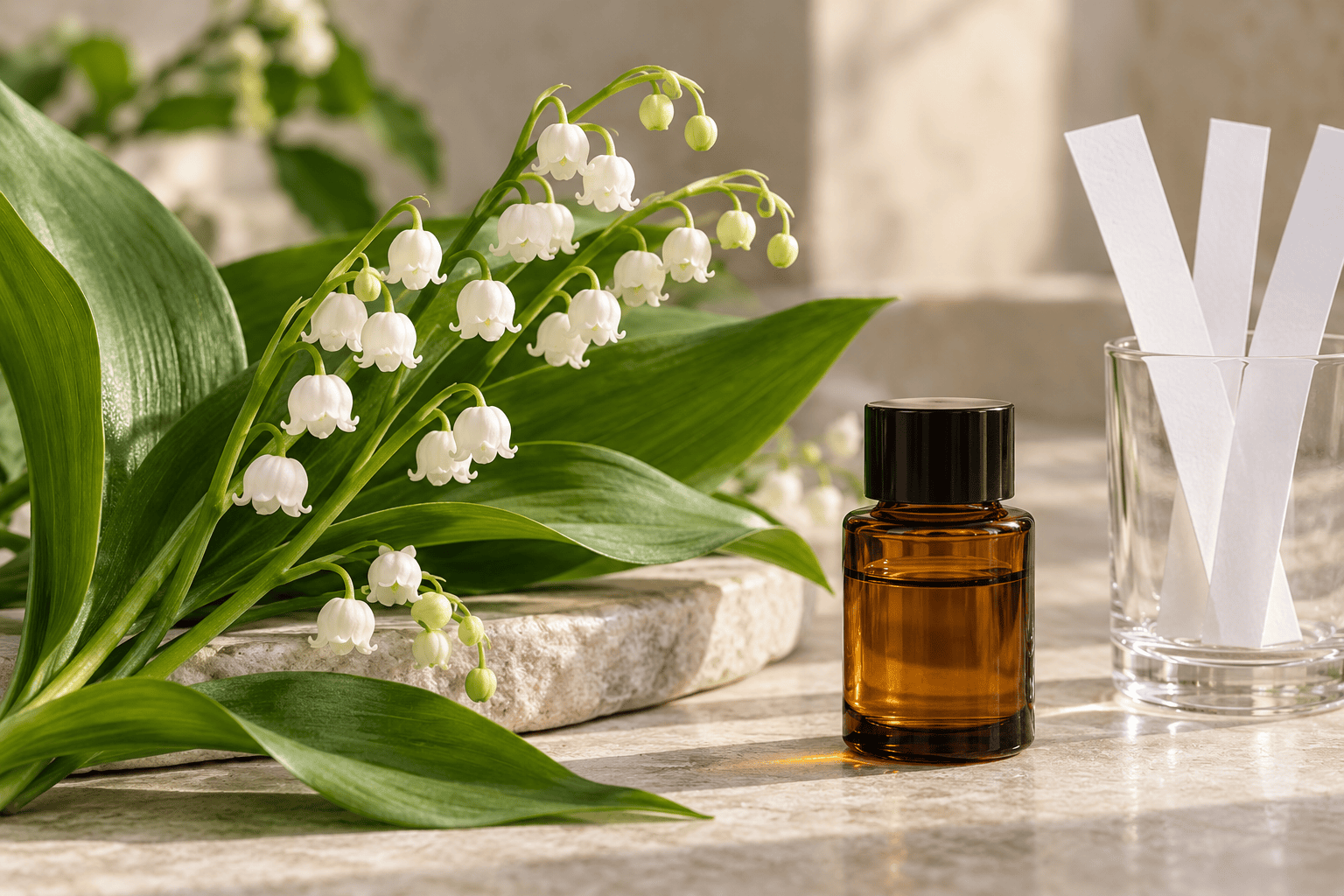
Clarify what fresh means for the project
Fresh might mean green leaves, airy petals, watery space or the smell of a familiar soap. Ask the product team to choose its intended meaning before requesting samples. A home-fragrance concept and a personal-care concept may use the same word but expect different experiences. Write one short positive description and one exclusion. For example, keep clear floral petals and a quiet green background, but avoid a dominant powdery soap impression. This is a briefing example rather than a fixed lily-of-the-valley formula.
Treat muguet as an olfactive direction, not an extraction claim
Givaudan describes Dupical through fresh, watery and lily-of-the-valley facets. Givaudan: Dupical olfactive profile The example illustrates how perfumery materials can contribute to an impression; it does not identify the ingredients in a SHEAIN sample. The name lily of the valley does not mean the fragrance was extracted from that plant. Do not prepare homemade botanical additions or infer safety from the flower image. Procurement should rely on the actual concentrate’s documents and the intended end-use assessment, not on romantic botanical naming.
Separate petal character from the green edge
A candidate can be clearly floral yet have too sharp a leafy opening for the intended product. Another may be soft but lack the recognizable fresh-petal effect the team requested. Score floral identity and green sharpness independently so a revision preserves the useful part. Ask assessors to record when the green character is noticeable and whether it remains dominant. A brief that only says make it softer may accidentally remove the brightness that distinguished the fragrance from an existing creamy floral variant.
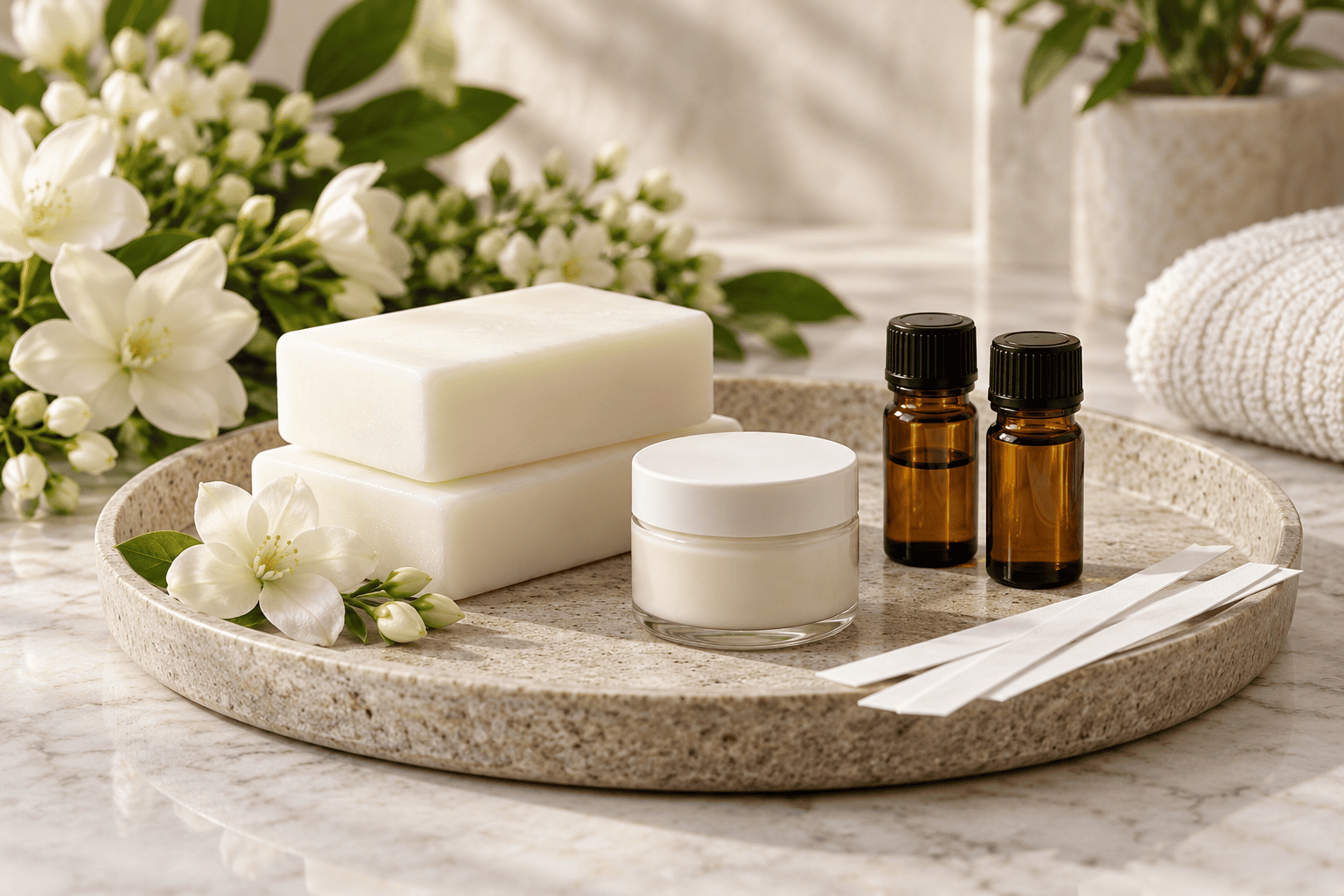
Identify the source of the soapy association cautiously
Describe what the team perceives rather than asserting a particular ingredient is responsible. The impression may arise from the whole fragrance, the base’s odor or their combination. Compare the unfragranced base and a controlled application sample, not only the concentrated oil. Note whether the association is powdery, waxy, strongly clean or reminiscent of a specific benchmark. These descriptions help the supplier understand the problem while leaving the technical cause open for investigation instead of turning a sensory guess into a formula claim.
Evaluate the intended clean character in use
Use the actual product base and a technically reviewed loading. Keep preparation conditions consistent and compare a manageable number of samples. A fresh opening may be suitable even if the later character needs adjustment; the reverse can also occur. The table below helps separate those observations. It is an illustrative evaluation aid, not evidence of a tested performance level. Physical stability, packaging behavior and required safety review must proceed independently of the panel’s preference for a clean floral profile.
| Dimension | Assess separately | Useful adjustment |
|---|---|---|
| Petal identity | Recognizable fresh floral character | Preserve floral clarity |
| Green edge | Leafiness versus sharpness | Soften the opening only |
| Soap association | Powdery, waxy or strongly clean | Name the unwanted association |
| Use stage | Opening versus later product odor | Revise the relevant stage |
Make a revision request that keeps the concept intact
An actionable request could preserve the muguet-like petal clarity while reducing powdery soap associations and softening the initial green edge. Identify the reference sample and the product stage where the change is needed. Ask SHEAIN about suitable fragrance-concentrate candidates for your application and market rather than treating a floral name as a compatibility guarantee. Once accepted, retain the approved code, version and sample record so future comparisons use the same target and not a changing memory of freshness.
Frequently Asked Questions
What does muguet mean?
It is the French term for lily of the valley and is widely used to describe this perfumery direction. It does not identify one universal formula.
Does a soapy smell mean the fragrance contains soap?
No. Soapy is a sensory association here. Confirm composition through documents rather than inferring it from odor.
Can I add lily-of-the-valley flowers to the concentrate?
Do not add untreated botanical material. Use the supplied concentrate according to its technical guidance and have the finished product assessed for its intended use.
Related Guides and Application Support
- Fragrance Oil for Hand Wash: Surfactant Compatibility and Skin-Care Positioning
- Fragrance Sensory Evaluation: How to Build a Reliable Sample-Scoring Process
Contact SHEAIN with your end-use application, target market and scent brief to discuss fragrance oil concentrate samples.


