

Room spray fragrance must dissolve or disperse evenly, atomize cleanly and stay attractive throughout storage. A fragrance that smells excellent on a blotter may turn a water-based spray cloudy, separate in low-alcohol systems or interact with the pump and bottle. This guide explains a practical B2B development process.

The objective is to make decisions from finished-product evidence, not fragrance-bottle impressions alone.
Define the Room Spray Base
Start by defining whether the product is alcohol based, hydroalcoholic or mainly water based. Share the complete unperfumed base, target fragrance level, alcohol grade, solubilizer, preservative, color and packaging with the fragrance supplier. Small changes in solvent ratio can alter clarity, scent character, drying speed and surface residue.
Build a Solubilization Ladder
Prepare an unperfumed control and several combinations of fragrance and solubilizer. Add materials in the intended manufacturing order, then allow samples to equilibrate before judging them. Record clarity, haze, separation, sediment and odor. The clearest sample is not automatically best if it requires excessive solubilizer or weakens diffusion.

Balance Alcohol Level and Scent Performance
Alcohol can improve fragrance dissolution and fast evaporation, but it also changes the opening impact, spray feel, flammability profile and packaging requirements. Compare the lowest practical alcohol level with higher controls. Evaluate the first burst, room diffusion after several minutes and the character remaining after the droplets have dried.
Evaluate Spray Pattern and Residue
Test the intended pump rather than a laboratory dropper. Check droplet size, spray cone, output per stroke, clogging and leakage. Spray representative hard surfaces and fabrics only where the product is intended for that use. Look for visible residue, staining or slipperiness and confirm that the fragrance does not distort the pump components.
Run Stability and Packaging Tests
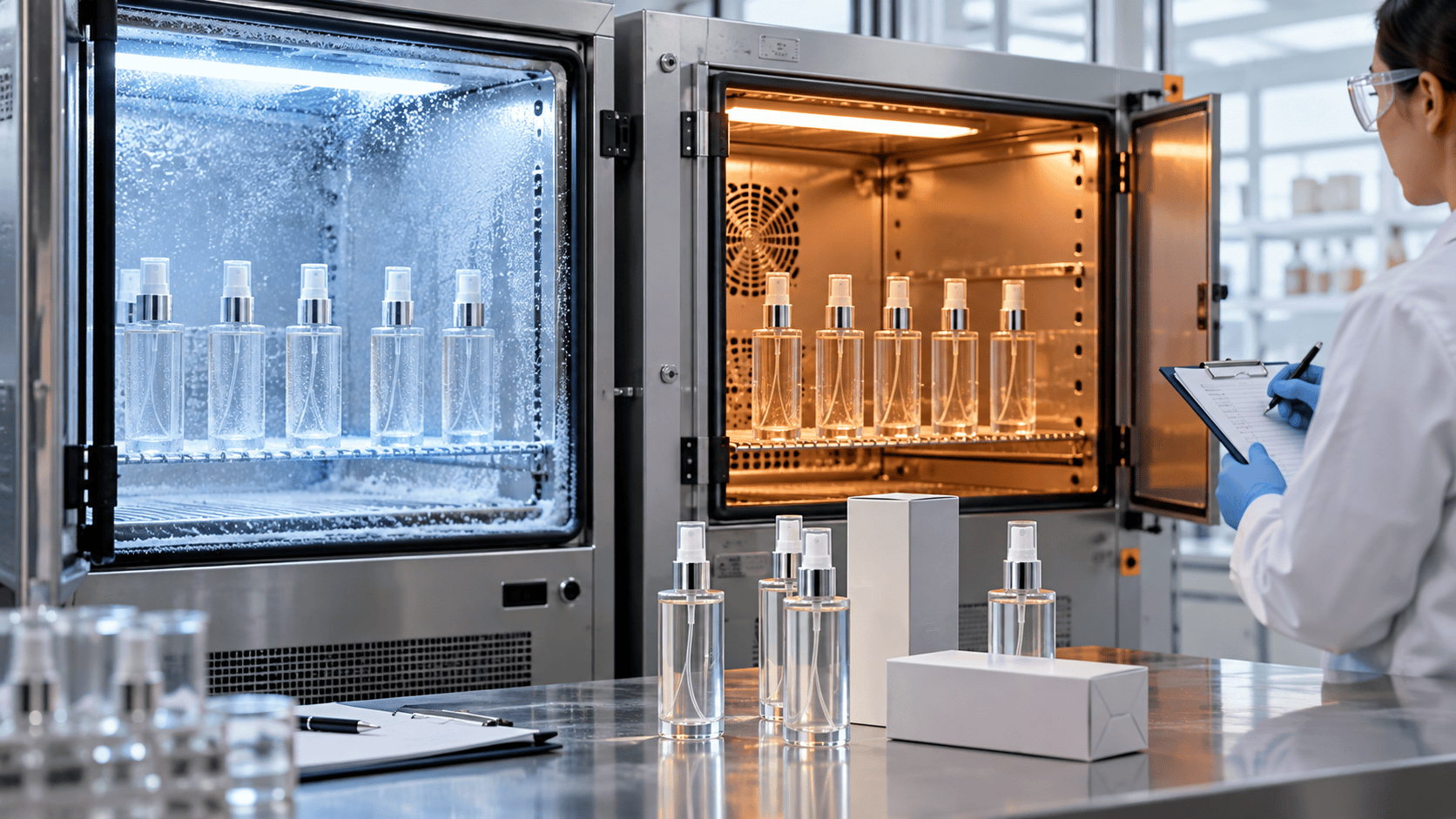
Store finished packs under controlled cold, room, warm and light conditions appropriate to distribution. Inspect clarity, color, odor, pH, leakage, evaporation and spray performance at planned intervals. Include the final bottle, dip tube, gasket, actuator, label and carton because a stable bulk liquid can still fail in the retail pack.
Create a Practical Approval Scorecard
Score clarity, odor quality, first spray, room filling, dry-down, residue, stability and cost in use separately. Compare coded samples in the same room with consistent ventilation and spray count. A structured scorecard helps a buyer distinguish genuine application performance from a fragrance that is simply stronger at the beginning.
What to Send the Fragrance Supplier
Provide the real base, intended markets, desired scent family, target dosage, price position, required documents and packaging format. Explain whether the product promises rapid freshness, premium ambience or malodor support. Clear commercial and technical information reduces unnecessary sample rounds and produces more relevant options.
Frequently Asked Questions
Why does room spray turn cloudy?
Cloudiness can result from insufficient solubilization, incompatible fragrance materials, low alcohol, temperature change or the order of addition.
How much fragrance oil should be used?
Use the supplier’s starting guidance and confirm it with a dosage ladder in the complete base; there is no universal percentage.
Can room spray fragrance be used in a reed diffuser?
Not automatically. The solvent system, evaporation mechanism and compatibility requirements are different and must be tested separately.
Why does the scent disappear quickly?
Fast evaporation, low dosage, weak room diffusion or an unbalanced fragrance structure may be responsible. Evaluate opening and dry-down separately.
Should room spray be tested in its final bottle?
Yes. Pump output, gaskets, dip tubes, leakage, evaporation and label resistance can all affect commercial performance.
Work with an Application-Focused Fragrance Supplier
Reliable development combines a precise brief, controlled testing, documentation and retained standards. Contact SHEAIN to discuss fragrance oil for room spray, request samples or plan application testing for your market.


