

Body wash fragrance bloom during use is a question about the experience after the product meets water and is used, not simply how strong the bottle smells. Define the wanted washing-stage impression and compare the relevant stages under reviewed conditions. A pleasant opening, a noticeable lather-stage scent and later residual scent answer different questions. None should be used as a shortcut to approve the others.
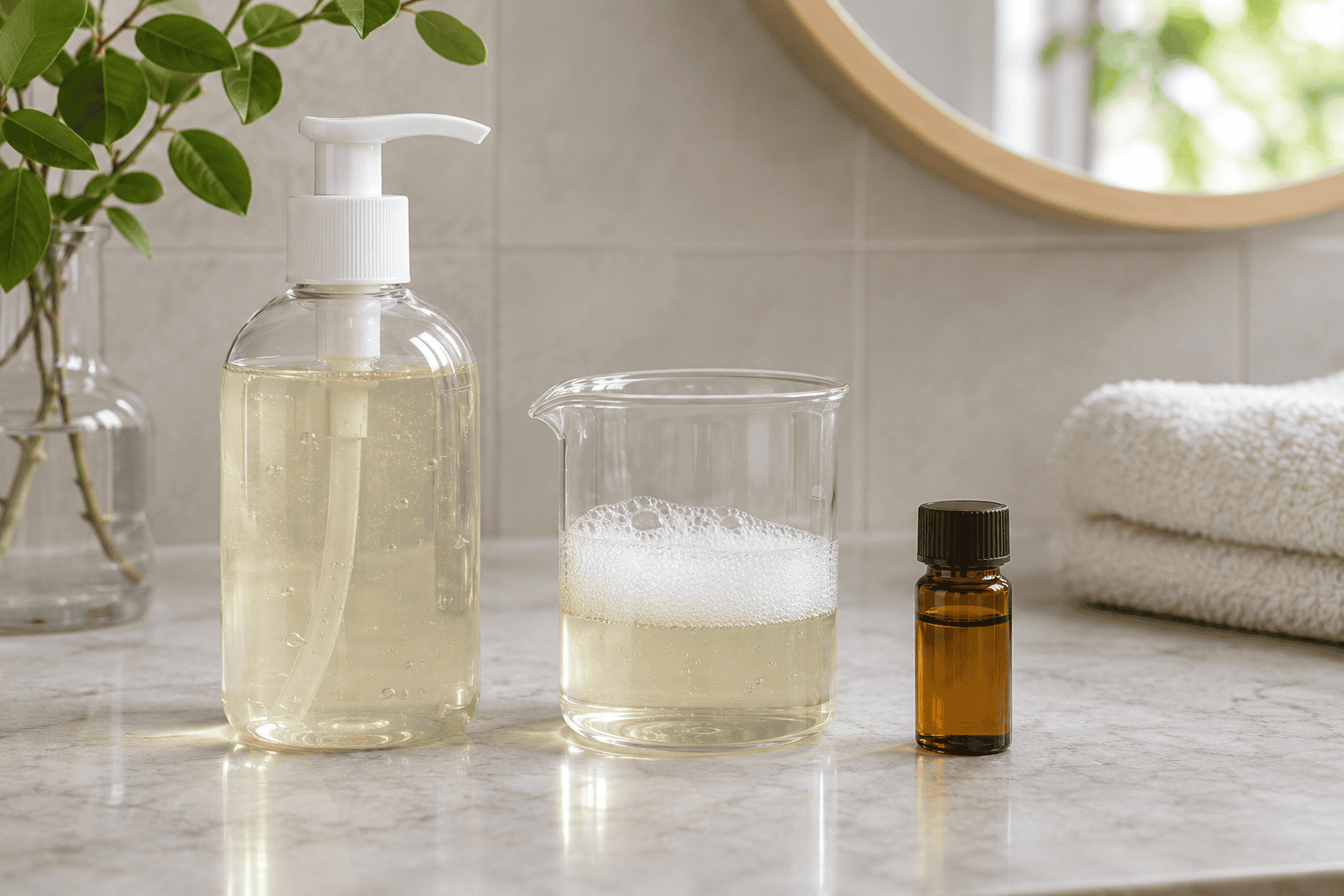
Define the intended in-use change
dsm-firmenich describes fragrance blooming as an in-use fragrance effect in relevant product applications.Source: dsm-firmenich: fragrance blooming during use Its technology descriptions are not evidence that another concentrate provides the same result. Decide whether your brief asks for a noticeable increase, a recognizable character change or a sustained identity during washing. Tie the words to an accepted reference rather than calling every strong body-wash fragrance a blooming system.
Keep bottle preference separate from washing-stage performance
Evaluate the unopened or presented product through an appropriate consistent method, then assess the intended diluted-use stage separately. A powerful bottle scent can still miss the desired shower experience. Record character as well as intensity: the product may become more noticeable while no longer matching the agreed scent. Do not infer which raw material caused that response solely from the difference between the two impressions.
Document the base and use conditions
Record the complete base revision, fragrance code, reviewed level, preparation, sample age, water conditions, temperature and selected use procedure. Use qualified technical support to choose a relevant assessment, including any human-use requirements. Keep the comparison conditions matched between candidates. An uncontrolled demonstration with different water amounts or agitation cannot isolate fragrance bloom and may simply show two different ways of preparing the product.
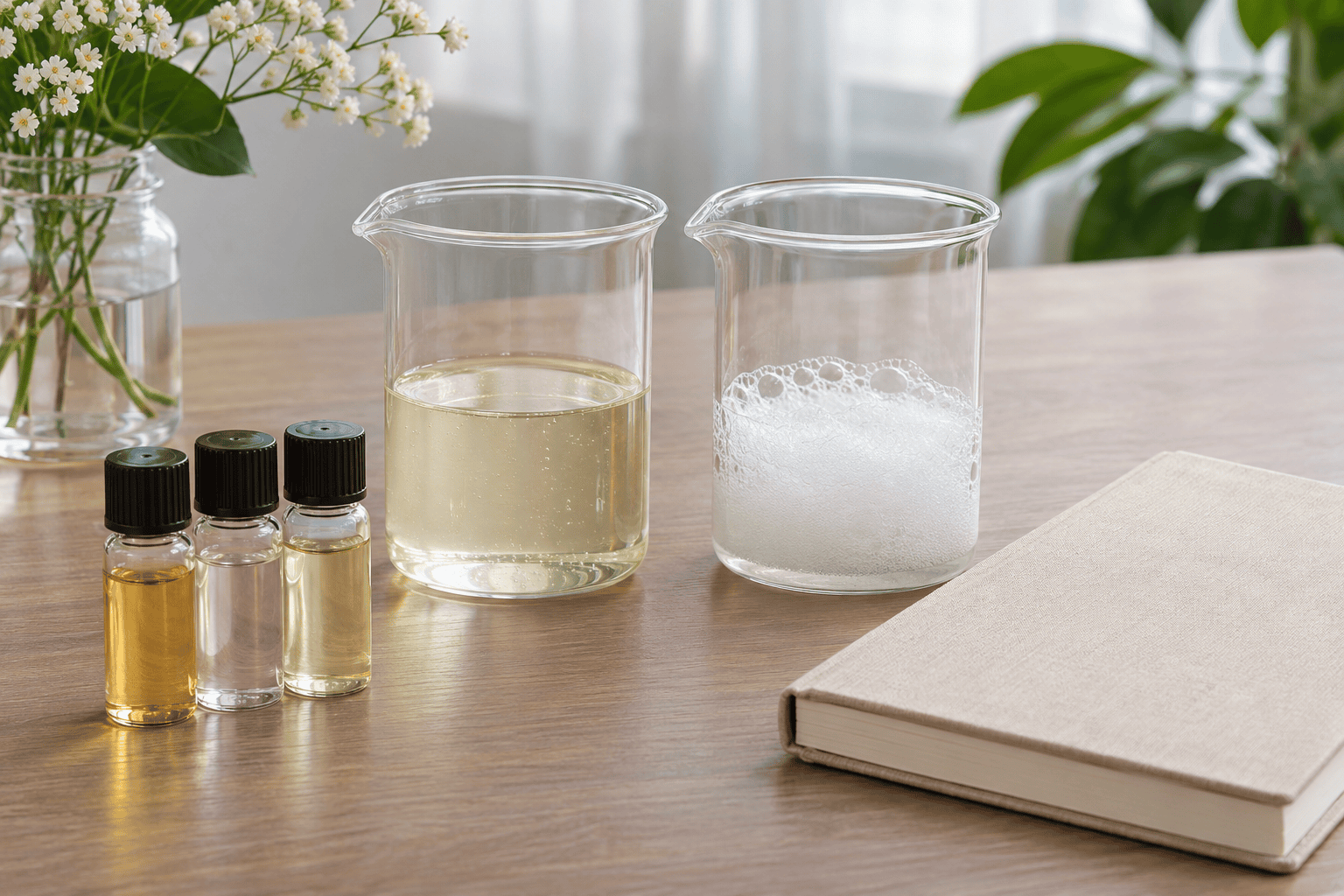
Treat lather-stage and after-rinse scent as different targets
If lather-stage scent is important, assess it at agreed observation points rather than only the strongest moment. If residual scent is also part of the product concept, qualify that separately under the appropriate procedure. More noticeable fragrance during washing is not proof of stronger later deposition, longer persistence or improved cleansing. Keep those claims distinct so a successful sensory moment does not become an unsupported all-purpose benefit.
Check the complete formula around the sensory result
Assess relevant foam, appearance, viscosity, stability and packaging requirements independently. A favorable in-use scent cannot approve the formula’s physical performance or safety. Use appropriate controls and repeat comparisons where the decision warrants them. The table below is an original briefing framework, not a recipe, a validated test method or SHEAIN laboratory data. Avoid raising fragrance level simply to force a stronger effect without reviewing the actual formulation and documentation.
| Stage | Question | Separate from |
|---|---|---|
| Bottle | Does the starting identity fit? | Proven in-use bloom |
| Dilution | What changes under the reviewed conditions? | An uncontrolled water comparison |
| Lather | Wanted intensity and character at agreed points? | Cleansing or mildness claims |
| After rinse | Is residual scent also required? | The washing-stage result |
Send a stage-specific brief and approve the revision
Provide SHEAIN the body-wash base, target market, accepted reference and the specific use moment that matters. Include matched comparison observations and any off-brief character that appears after dilution. Discuss concentrate feasibility before approval. Retain the exact formulation and method with the chosen revision. A later surfactant or fragrance change should not automatically inherit the same in-use claim merely because the product keeps its original marketing name.
Frequently Asked Questions
Does strong bottle odor prove good bloom?
No. Compare the actual in-use stage under documented conditions.
Does bloom prove long-lasting skin scent?
No. Residual scent is a separate target requiring an appropriate assessment.
Can more fragrance always improve the effect?
No. Any level or formula change needs technical review and complete-product qualification.
Related Guides and Application Support
- Body Wash Fragrance Stability: pH, Surfactants and Packaging Compatibility
- Pine vs Fir Fragrance Oil: Compare Needles, Resin and Wood
Contact SHEAIN. Share your end-use application, target market and scent brief to discuss fragrance oil concentrate samples.


