

Dishwashing liquid fragrance residue on dishes is a sensory question that should be separated from the fragrance users notice in the sink. A pleasant scent during washing does not mean fragrance should be noticeable on a dry dish. A lingering odor is not proof of chemical residue or a food-contact safety conclusion. Evaluate the wash and rinse stages independently using the finished detergent and its intended directions.
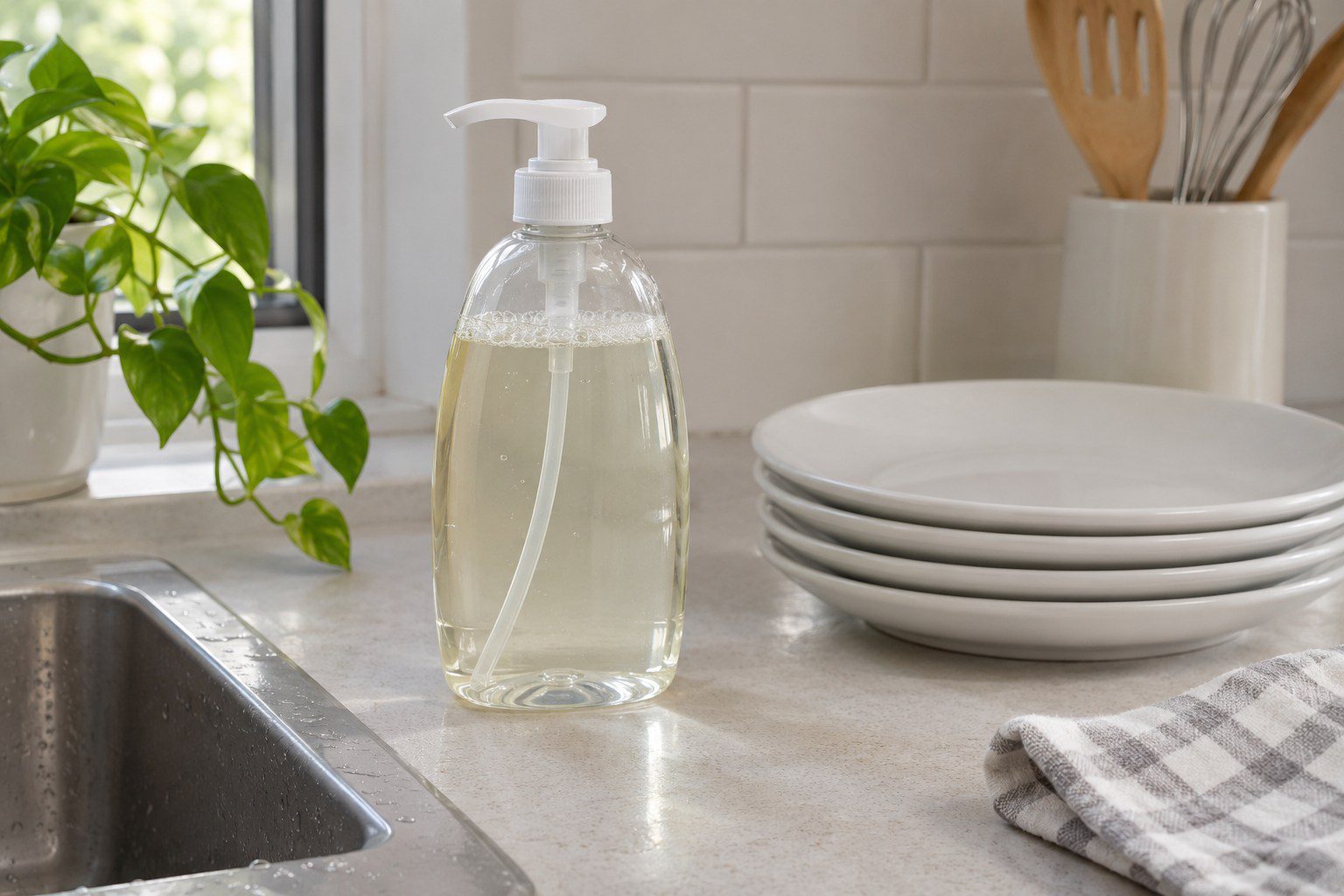
Give the wash stage and dry stage different targets
Define the fragrance impression wanted while the detergent is used, and separately define what should be detectable after the dish is rinsed and dried. A mild kitchen scent during use may meet the brief while a noticeable perfume on a dry plate may not. Agree on both decisions before smelling samples so a stronger wash experience does not become an accidental dry-stage target.
Use a matched unscented detergent and clean references
Compare the finished scented detergent with an unscented version of the same base where feasible. Include a clean dish reference prepared under the approved method. Record whether it has a background odor already. Keep dish material, prior condition and water conditions comparable. An unrelated detergent or a different dish material can create a difference that does not come from fragrance.
| Stage or reference | What to note | What the result cannot establish |
|---|---|---|
| Wash area | Identity and strength during intended use | What the dry dish will smell like |
| Rinsed and dry dish | Whether an odor remains and when | Residue chemistry or safety |
| Matched blank and unscented base | Background odor and shared changes | A single ingredient as the cause |
Record where odor is actually perceived
Separate the odor above the wash area, the utensil after the specified rinse and the same material after the approved dry stage. Do not compare the sink-side odor to a plate next to the sink at the same time without considering background scent. Use fixed points and label the dishes so the observations are tied to the correct material and time.
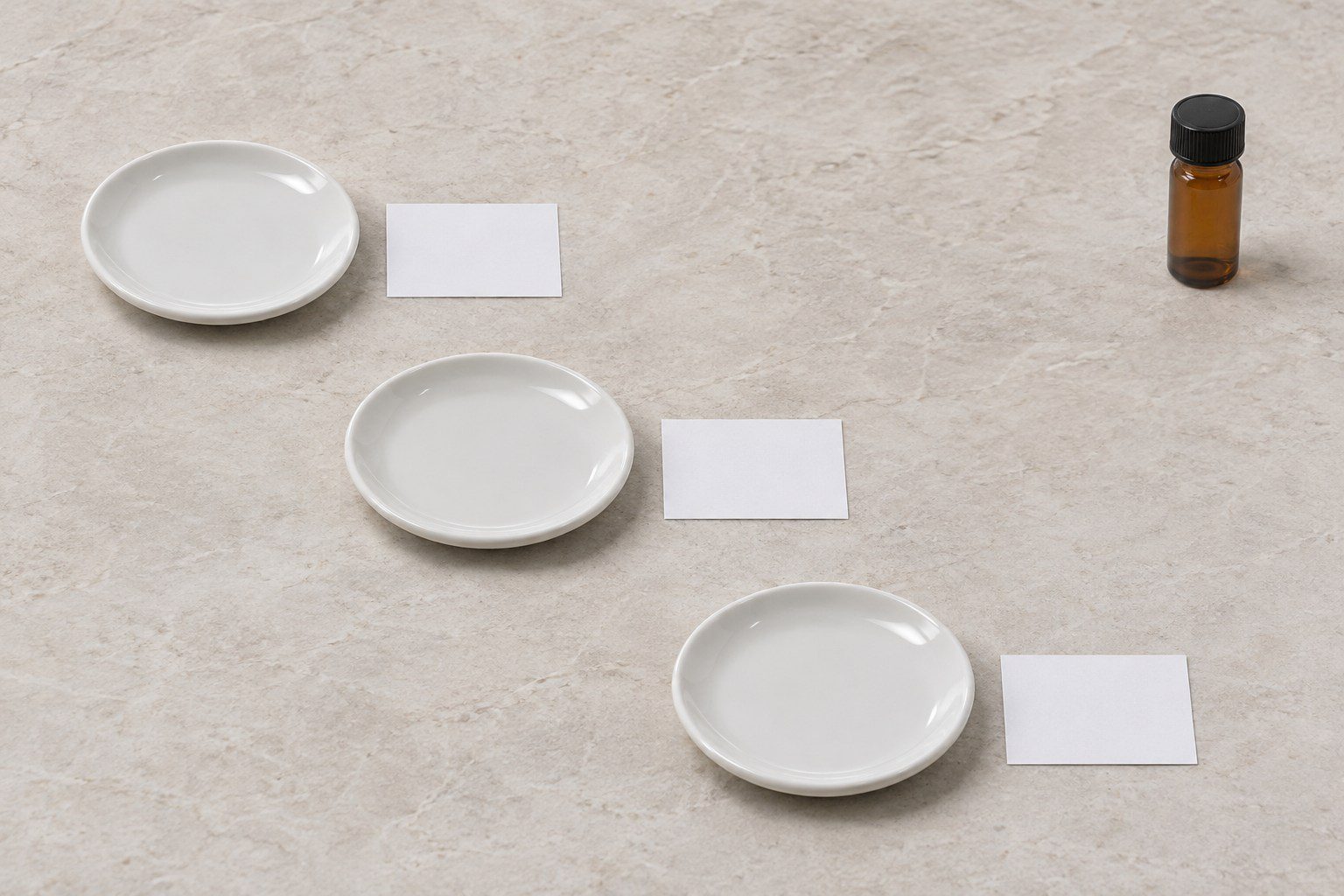
Investigate a pattern rather than assuming the cause
If the clean reference smells similar, revisit the preparation or environment. If both detergents give a similar result, inspect the common base and process. If only the scented version differs, investigate the complete scented formula and test conditions. Odor alone cannot identify a deposited ingredient. If there is a visible deposit or a food-contact question, send it to the qualified product team separately.
Compare the relevant dish material and use conditions
If the issue appears only on a particular material, repeat with matched specimens of that material before generalizing. Keep the washing and rinsing conditions within the finished product instructions and approved procedure. Do not make up a solvent clean-up or use a higher-than-intended dose to create a difference. Record test deviations as deviations, not as normal-use results.
Send the supplier a precise observation rather than a conclusion
Provide the fragrance version, detergent lot and base, dish material, wash and rinse observations, dry-stage time and which controls differed. For example: ‘The desired citrus is clear during washing, but the dried ceramic reference treated with L2 has a recognizable fragrance and the unscented control does not.’ That evidence helps clarify a revision without claiming food-contact suitability.
Frequently Asked Questions
Is a noticeable perfume after rinsing proof of residue?
No. Document the sensory difference, then determine whether analytical or safety evaluation is needed with qualified staff.
Can I make the dishwashing scent stronger to resolve the issue?
Those are different approval stages. Report wash and dry results separately before changing the formula.
Do I need an unscented control?
It is useful if it matches the base. A clean dish reference also helps identify substrate and environmental odor.
Related Guides and Application Support
- Fragrance Oil Stability Testing: How to Check Compatibility Before Mass Production
- Hard Water Fragrance Testing for Laundry and Cleaning Products
Contact SHEAIN. Share your end-use application, target market and scent brief to discuss fragrance oil concentrate samples.


