

Not all fragrance oils are created equal. While many oils may smell similar initially, their scents evolve over time—a difference that becomes particularly noticeable in fragrance diffusion and professional applications. For fragrance and essential oil suppliers, understanding the definition of premium oils is crucial to ensuring consistent performance, safety, and long-term reliability.1. Raw Material Quality and Transparency
1. Raw Material Quality and
TransparencyThe foundation of premium fragrance oils lies in their composition.
High-end fragrance oils are crafted using:Select aromatic compounds Natural fragrance isolates and natural congeners Certified fragrance ingredients meeting industry safety standards。
Raw material transparency is a key indicator of quality. Reputable fragrance oil suppliers clearly provide:Material compliance documentation Safety guidelines Formulation intent specifications。

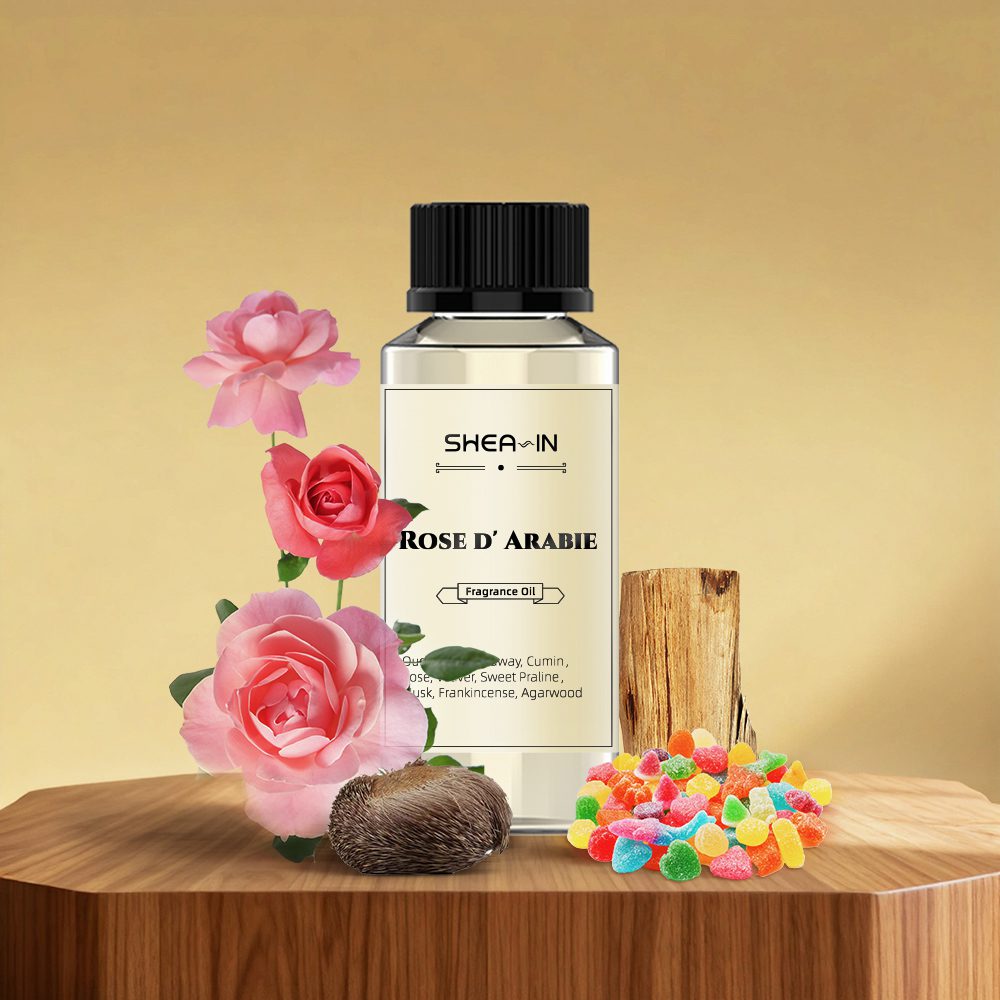
2. Aromatic Balance and Olfactory Structure
Premium essential oils exhibit a clear, balanced fragrance structure typically comprising:
Top notes: Initial impression
Middle notes: Reveal the fragrance’s character and depth
Base notes: Provide longevity and stability
High-quality oils evolve smoothly over time, avoiding abrupt beginnings, off-notes, or sudden dissipation during diffusion.
3. Volatility and Diffusion Performance
Volatility determines an essential oil’s evaporation and dispersion in air.
Premium oils must achieve: uniform atomized diffusion, stable fragrance concentration, and prevent excessive aroma loss.
This characteristic is crucial for diffusers, as consistent dispersion directly impacts user experience.
4. Stability and Antioxidant Properties
Substandard oils may rapidly degrade, causing discoloration, distorted scents, and shortened longevity.
Premium oils incorporate stabilizers and antioxidants to ensure: long-term fragrance integrity, antioxidant capacity, and consistent aromatic performance throughout storage and usage cycles. Stability is vital for brands seeking reliable, repeatable aromatic experiences.
5. Batch-to-Batch Consistency
Consistency is a vital quality indicator for fragrance oils.
Professional-grade oils are produced under stringent quality control systems, ensuring: minimal aroma variation between batches, predictable scent performance, and reliable formula reproducibility. This consistency is essential for businesses using fragrance oils as brand signatures or in long-term scent projects.
6. Safety Compliance and Regulatory Standards
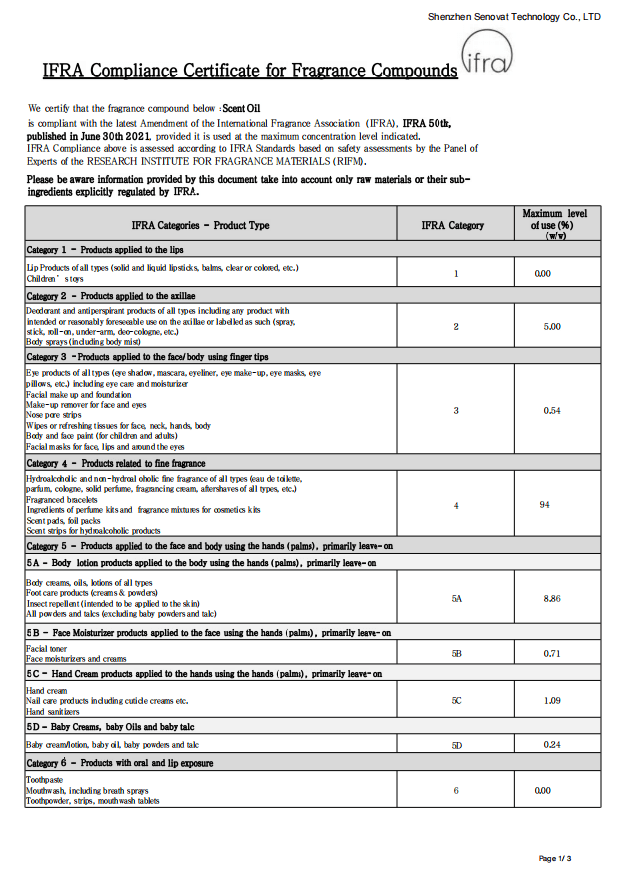
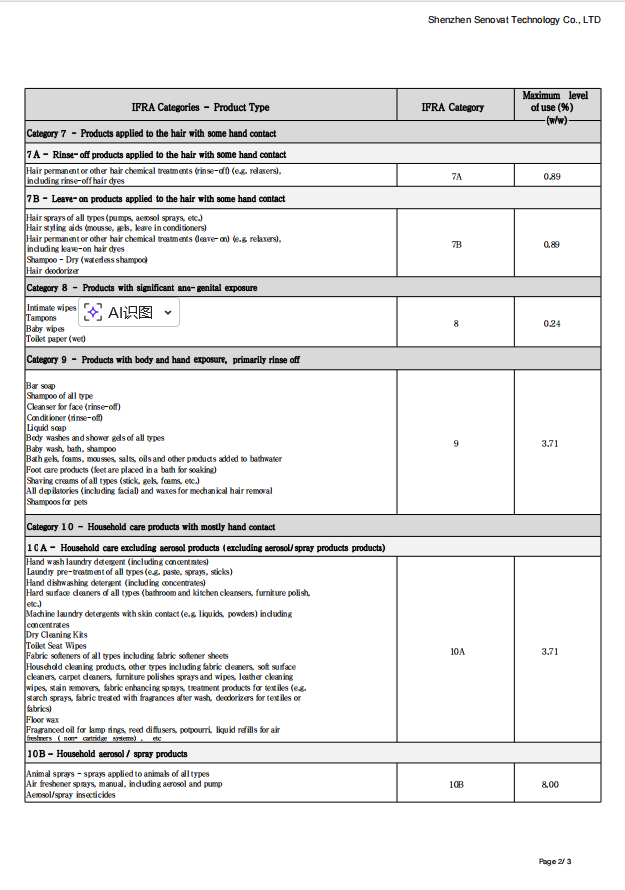
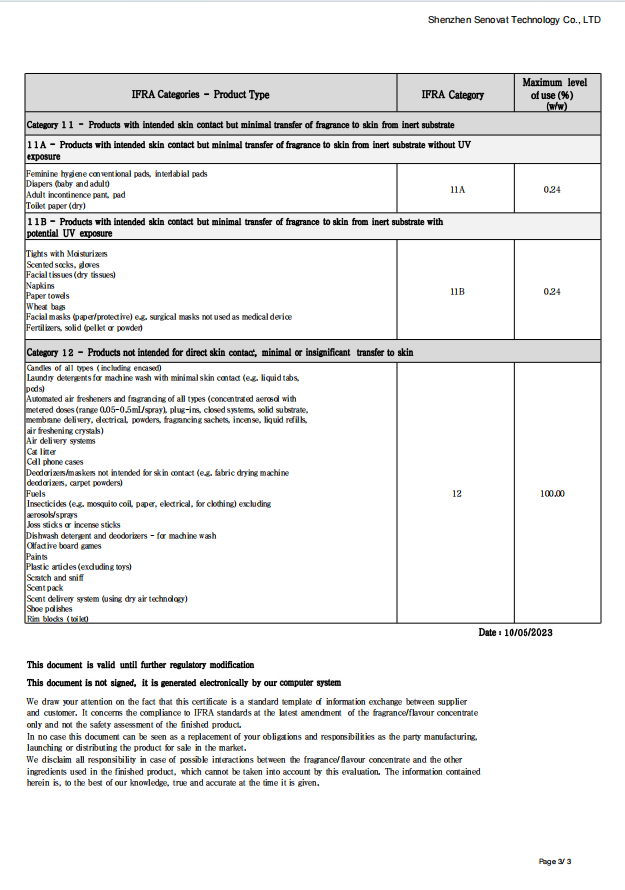
Premium fragrance oil formulations adhere to recognized safety standards such as the International Fragrance Association (IFRA) guidelines, regional fragrance regulations, and indoor fragrance industry best practices. Safety depends on formulation precision and dosage control, not solely on whether ingredients are natural or synthetic.
7. Fragrance Application Compatibility
Not all essential oils suit every scenario.
Premium oils must demonstrate: effective scent diffusion, resistance to residue buildup, and preservation of fragrance integrity during prolonged use.
8. Supplier Capability and Quality Control
Every premium fragrance oil is backed by experienced suppliers.
Key indicators of reliable fragrance oil suppliers include: transparent formulation expertise, traceable quality control processes, technical support for fragrance applications, and consistent long-term supply capacity. Selecting the right supplier is as crucial as curating the fragrance itself.
Conclusion:
The value of premium aromatic essential oils extends far beyond their scent alone. Raw materials, formulation, diffusion, stability, consistency, and safety compliance collectively build a refined and reliable fragrance experience.
For fragrance and essential oil brands, premium aromatic essential oils not only enhance fragrance performance but also earn consumer trust, ensure safe usage, and create long-term value.


