

Hand wash vs machine wash laundry fragrance should be assessed as two intended-use conditions, not assumed equivalent because the detergent bottle is the same. The useful brief identifies where customers should notice scent in each method. Compare the formulated detergent and relevant fabric stages under documented conditions. A strong wash-basin impression cannot automatically predict the experience at a machine door or on the later dried textile.
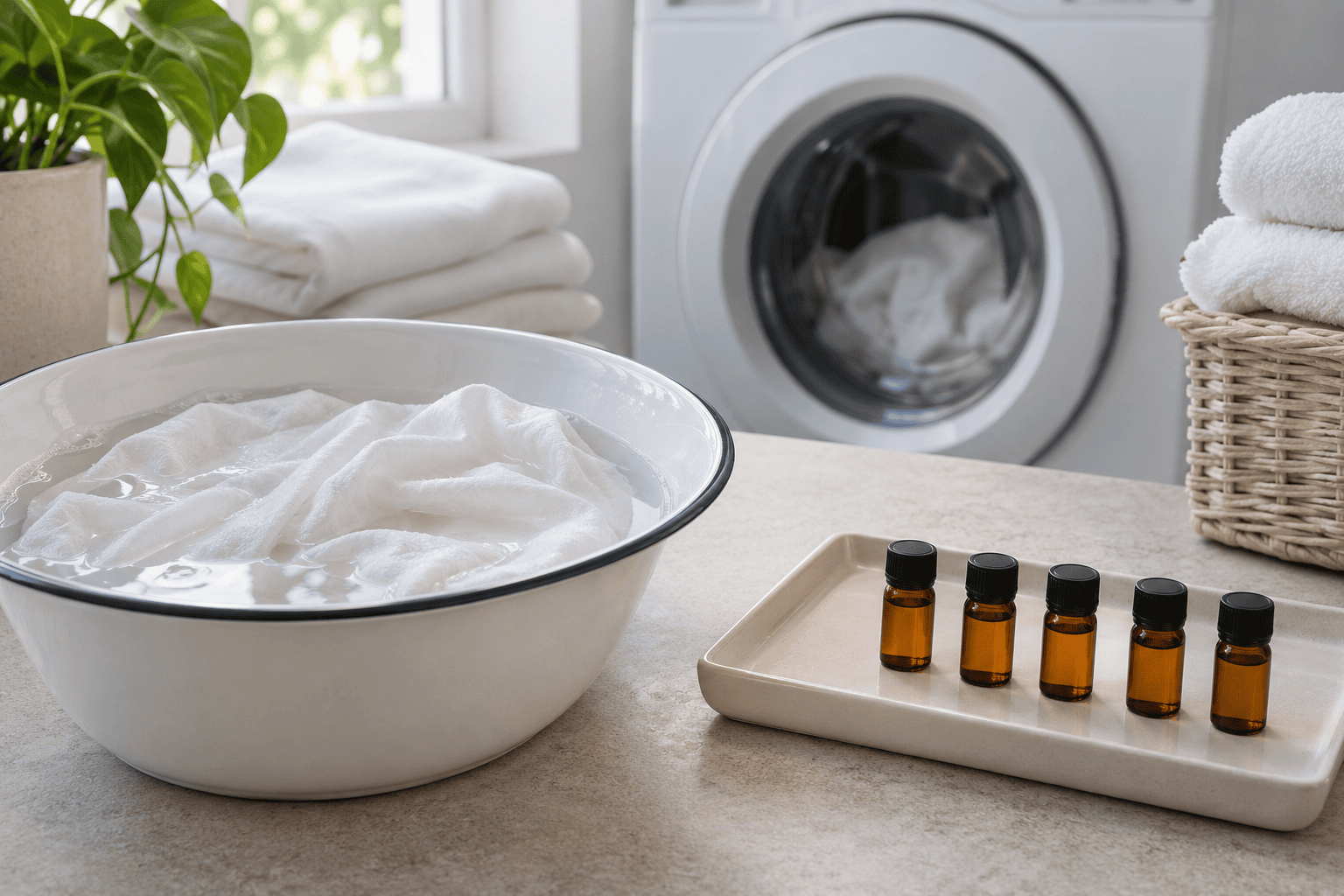
Give each method its own important scent moment
Fragrance developers discuss blooming at different use moments, including opening a washing machine.Source: dsm-firmenich: fragrance blooming during use That industry example does not prove performance for another supplier’s concentrate. Decide whether hand washing should emphasize the diluted wash stage, wet fabric or dried fabric, and make the same decision separately for machine washing. A single instruction such as strong laundry scent does not define both targets sufficiently for purchasing.
Record the wash conditions instead of only the dosage
Document the detergent base, fragrance revision, product amount, water amount, water conditions, temperature, textile load and procedure for each method. Follow the relevant reviewed product and equipment instructions. Hand washing and machine washing need not use the same dilution or handling conditions. If the purpose is to compare realistic use methods, preserve those differences and state them rather than silently calling the exposure identical.
Separate dilution-stage odor from retained fabric scent
Evaluate the relevant wash liquor or in-use impression through an appropriate procedure, then review wet and dry fabric separately. A more noticeable basin scent is not proof of more fragrance on the textile. Keep the drying method and elapsed time documented. Do not infer a deposition mechanism or persistence claim from one preferred sniff; the observation supports only the tested stage and conditions.
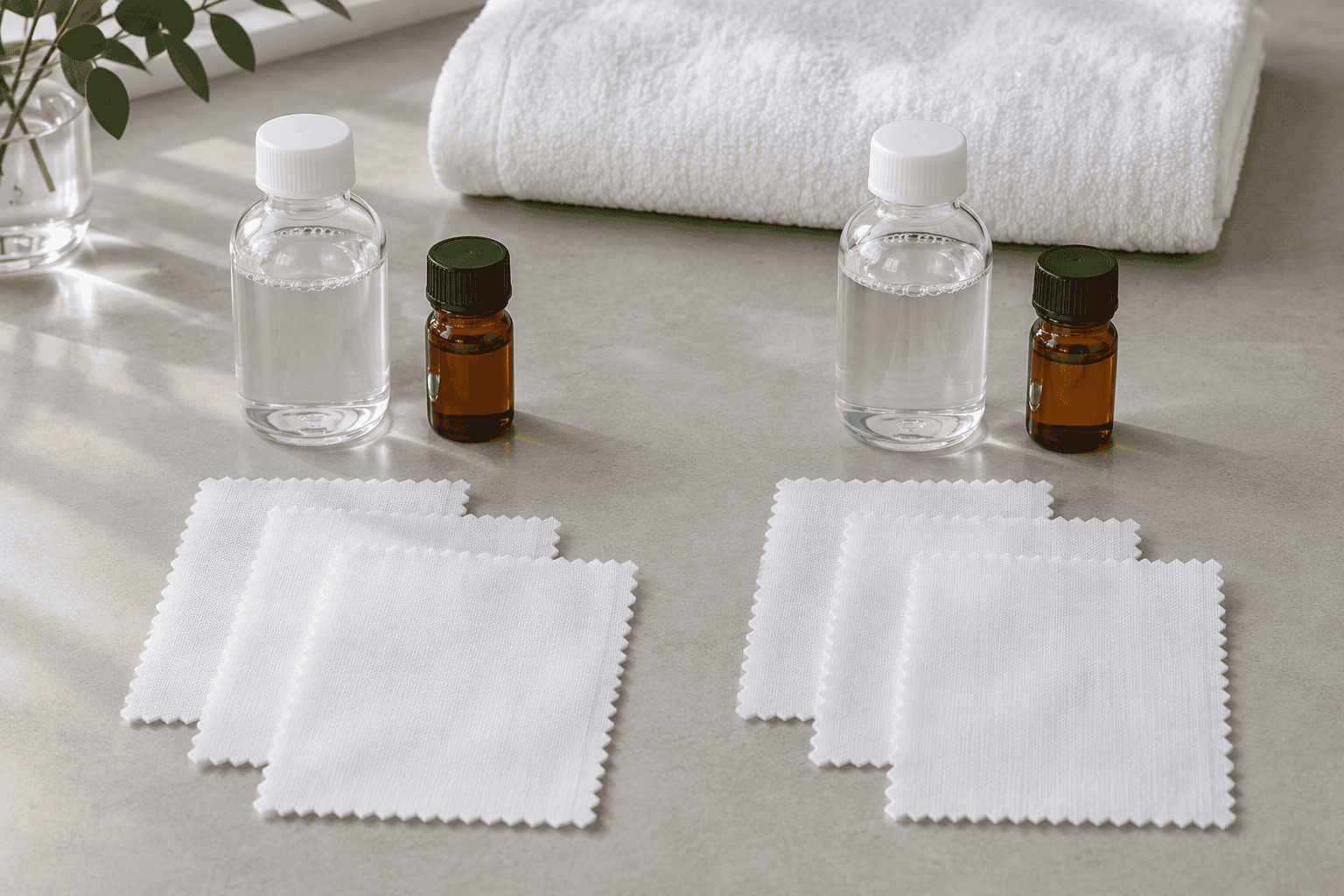
Use matched textiles and appropriate controls
Choose documented fabric types relevant to the product and keep comparable starting condition and handling history. Include an appropriate unscented-base control and accepted fragrance reference where practical. Avoid comparing a new hand-washed towel with a previously fragranced machine-washed garment and attributing the result solely to wash method. Record any cross-contamination risks from storage, drying or reused equipment before interpreting subtle scent differences.
Judge performance against separate acceptance targets
Set the wanted identity and intensity for each use method and stage before reviewing the candidates. Consider whether one concentrate can meet both targets within reviewed formulation conditions or whether the project needs separate options. The table is an editorial evaluation plan, not comparative SHEAIN test data. Cleaning performance, fabric appearance, physical stability and safety remain independent finished-product requirements; fragrance liking does not establish them.
| Stage | Hand-wash record | Machine-wash record |
|---|---|---|
| Use conditions | Basin dilution and handling | Program, load and product dose |
| During washing | Relevant diluted-use impression | Relevant opening or use moment |
| Fabric | Matched wet and dry observations | Matched wet and dry observations |
| Approval | Method-specific target | Separate method-specific target |
Send a method-specific brief to the supplier
Provide SHEAIN the detergent base, target markets, realistic hand- and machine-wash conditions and the most important scent stage for each. Include coded reference results and any unacceptable difference. Discuss feasibility before approving a revision. A dual-use marketing label should reflect assessed use conditions, not the assumption that every fragrance behaves identically in every washing method or fabric. Retain the final protocol with the approved concentrate specification.
Frequently Asked Questions
Does stronger basin scent mean better dry-fabric scent?
No. Evaluate those stages independently under documented conditions.
Must both methods use identical dilution?
Not for a realistic-use comparison. Document the reviewed conditions for each method and explain the comparison purpose.
Can one fragrance serve both methods?
Possibly, but confirm the actual detergent, textiles and targets rather than assuming transfer from one trial.
Related Guides and Application Support
- Fragrance Oil for Liquid Laundry Detergent: Stability and Wash Tests
- Hard Water Fragrance Testing for Laundry and Cleaning Products
Contact SHEAIN. Share your end-use application, target market and scent brief to discuss fragrance oil concentrate samples.


