

A champaca fragrance oil scent brief should say whether the flower, the tea impression or warm wood leads. ‘Yellow floral’ alone can bring back samples that share a color association but smell quite different. Ask for a recognizable petal center first, then decide whether dry tea or soft wood should frame it. That distinction helps buyers give useful feedback even when the samples are all pleasant.
Agree on what the flower reference means
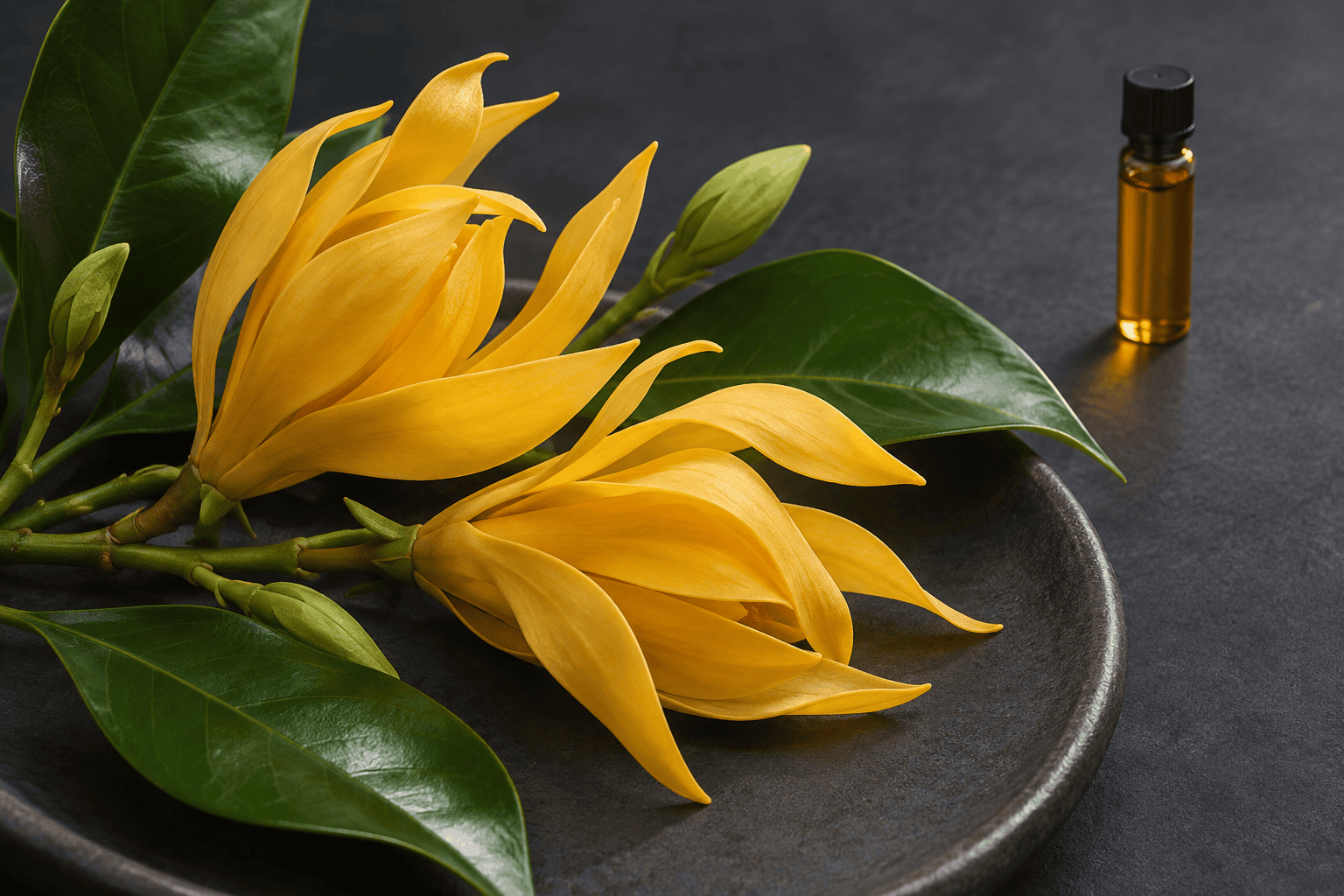
Start by telling the supplier which floral reference you mean and what you like about it: a full petal impression, a lighter floral opening or a warm floral body. If you use a flower image, attach a few words about the scent direction. The picture is not a formula. A champaca-inspired compound need not contain an extract of the flower, and its name says nothing about suitability for a specific use.
Choose whether tea or wood should sit behind the petals
Tea can be briefed as a dry, lightly tannic impression rather than sweet tea or citrus tea. A warm-wood direction can be soft, smooth and quiet rather than smoky or resinous. Treat both as optional framing. Decide whether the background should be noticeable from the opening or appear only after the petals are established. Do not request a stronger floral and a stronger background in the same revision without deciding which must lead.
| Direction | What should lead? | What would prompt a revision? |
|---|---|---|
| Petal-led | A full floral center | A vague sweet scent with no clear petals |
| Tea-framed | Petals, with a dry tea edge | Sweet tea or sharp citrus becomes the main impression |
| Wood-framed | Petals supported by quiet warm wood | Smoke or dense wood covers the flower |
Use a simple hierarchy score
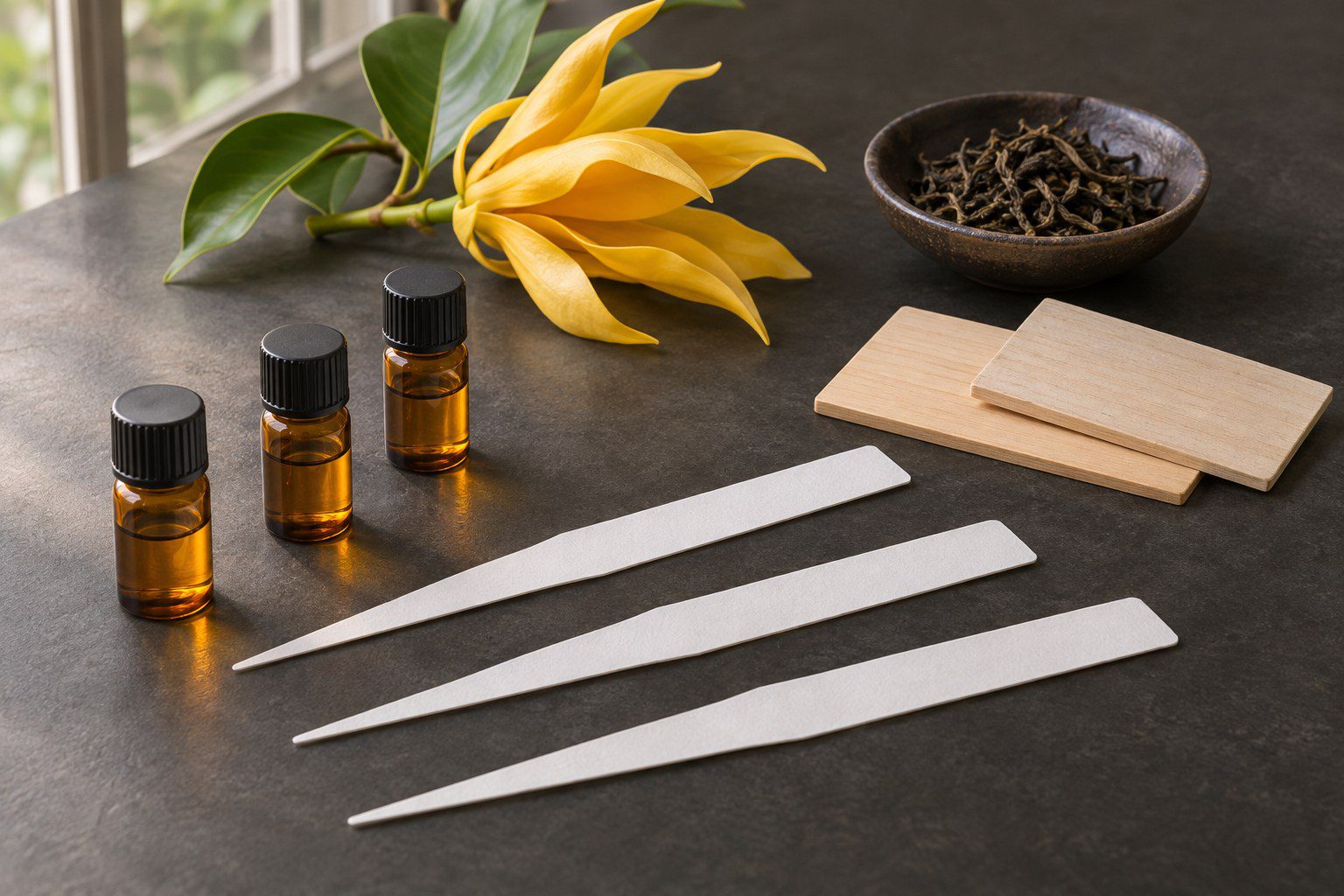
On matched blotters, present neutral-coded petal-led, tea-framed and wood-framed samples. Ask reviewers to name the first and second impressions before sharing their preferences. For a petal-led brief, the key question is not how high a tea score can go; it is whether tea takes the first position. Repeat the ranking at a later review point, and capture the order change rather than an average score that hides it.
Identify which side note caused the mismatch
If the sample smells like a sweet tea drink, say whether sweetness or tea intensity moved it away from the target. If the floral disappears into a woody base, note whether warm wood arrived too early or was simply too strong. A short comparison such as ‘C2, petals initially lead, dry tea later takes over’ is a useful direction for the supplier. ‘Make champaca stronger’ is not.
Re-check the hierarchy in the actual product
Move the preferred samples into the intended base and compare with a matched unscented reference under the approved procedure. A personal care product and a home scent product need distinct evaluations for their own use stages. Look for the same first and second impressions at the relevant check point. If the product base has a woody odor, record that baseline rather than attributing the whole effect to the fragrance.
Write a one-sentence acceptance condition
Link the decision to a sample version, base and application. For example: ‘At the agreed check point, the petal note remains primary, tea is dry and secondary, and no smoke-like impression is apparent.’ Include the market and any separate requirements in your sample request. This gives the supplier a clear target and keeps scent preference distinct from product qualification.
Frequently Asked Questions
Must a champaca scent contain natural champaca?
No. A fragrance direction describes the intended impression. Verify composition-related requirements with your supplier for the specific sample.
How do I keep the tea note in the background?
Specify dry tea as the second impression and record the stage where it might overtake the petals.
Can I approve the same balance for all applications?
Only approve the exact version after checking it in each intended base and use stage. A blotter result alone does not transfer.
Related Guides and Application Support
- Peony vs Magnolia Fragrance: Airy Petals or Rounded Floral Body?
- Mimosa Fragrance Oil Scent Profile: Balance Powder, Greenery and Flowers
Contact SHEAIN. Share your end-use application, target market and scent brief to discuss fragrance oil concentrate samples.


