

Wax melt scent on second use is a separate product question from the first-use impression. Buyers need to know whether the same portion, after a normal first cycle and cooling, still smells recognizable and meets the second-use target. Reheating for longer or switching to a different warmer during the second cycle would make it hard to interpret what changed. Keep the test within the intended warmer and product instructions.
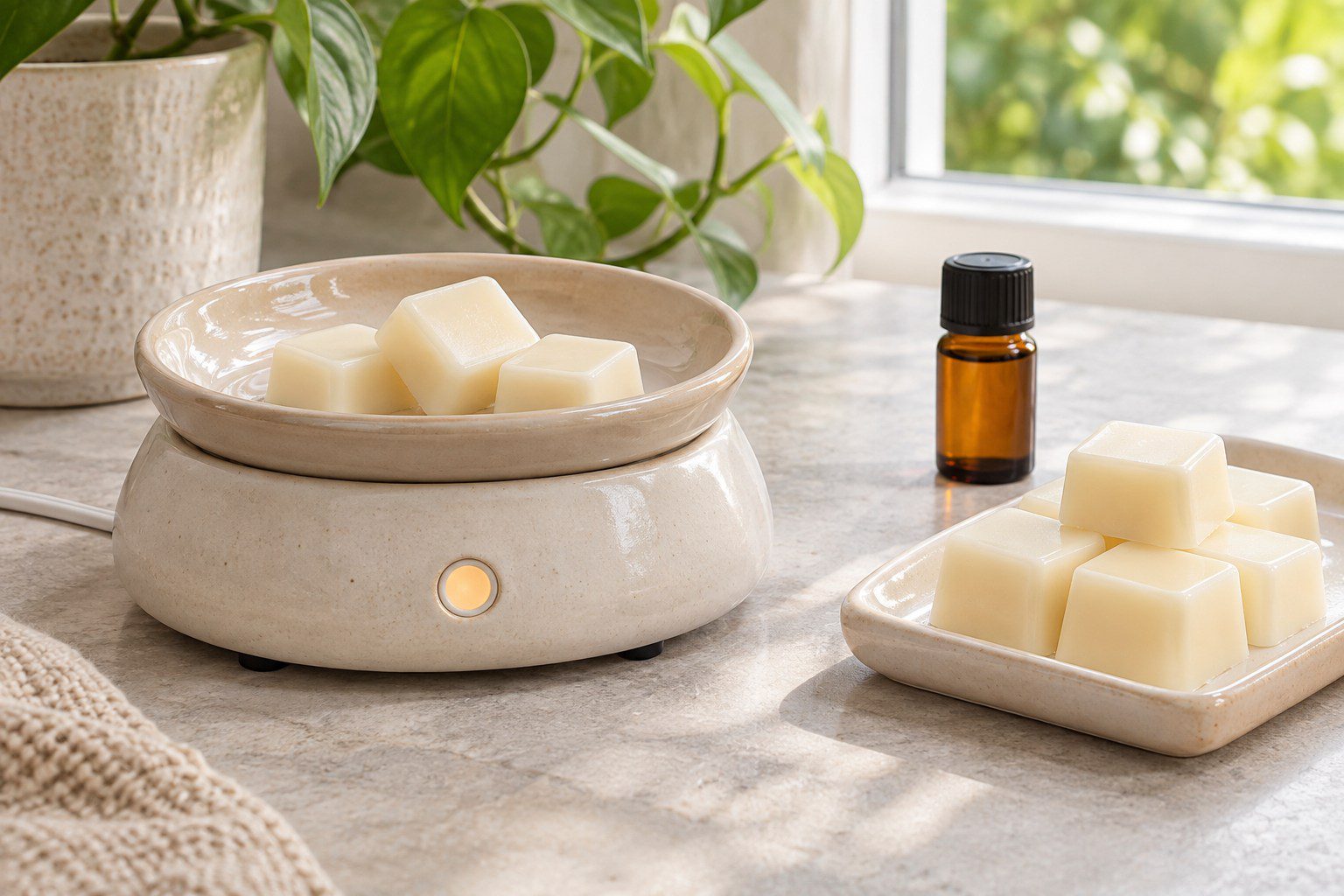
Define the first cycle and the cooling condition
Choose a procedure that represents the product’s intended use with an approved warmer. Record the cycle, item size, warmer and evaluation time. Let the same portion cool as the approved procedure specifies. Capture storage or rest conditions between uses. An overnight repeat and an immediate repeat may not represent the same question, even when both are called second use.
Set up a fresh reference for the second comparison
At the second evaluation, compare the previously used portion with an unused portion from the same production lot. Match the warmer and timing within the approved approach. The fresh portion checks whether today’s conditions or observers differ from the previous session. Keep portions separate and label them so material is not accidentally mixed or topped up.
| Sample | What to evaluate | What not to assume |
|---|---|---|
| First use of test portion | Starting scent and movement during the approved cycle | Proof of second-use suitability |
| Second use of same portion | Recognizable scent after documented cooling | That a longer cycle is an equivalent test |
| Fresh reference on second test day | Baseline under matched current conditions | A substitute for the reused portion |
Rate character, strength and first recognition
At the same relevant time in each cycle, note whether the main scent is identifiable, whether it has the intended strength and whether an off-note appears. If the first use was a lively citrus and the second reads only sweet, note the character shift rather than calling it weaker. An intensity score cannot show which part of the scent is missing.
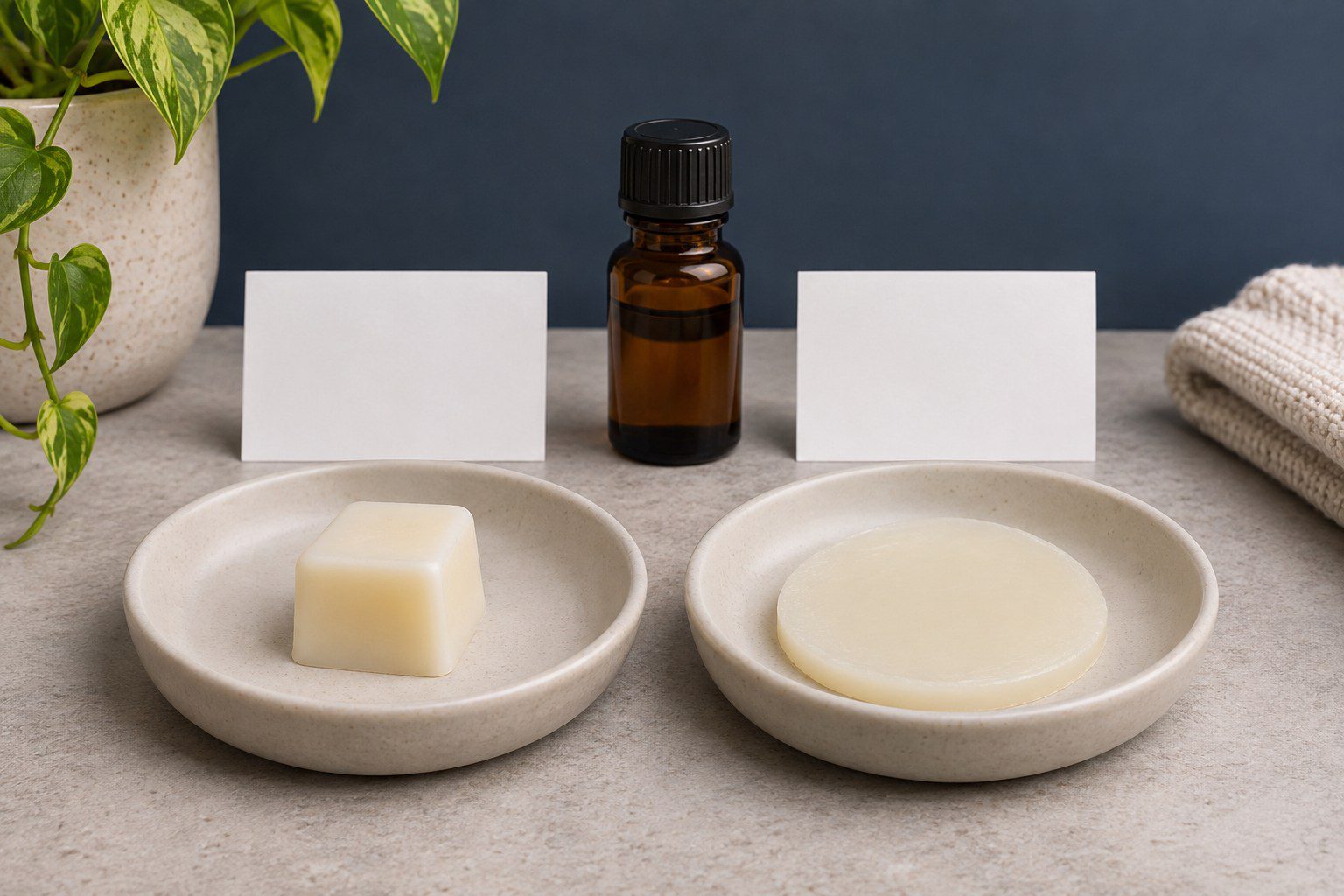
Avoid using a warmer change to solve an oil question
Different warmer designs and room conditions can change exposure. A change to the device or settings should be a separate approved trial, never an improvised attempt to restore scent. Repeat at the same observation point and within the authorized use directions. If the setup changes, report the comparison as two setups, not a normal first-versus-second-use result.
Identify the first failed criterion before asking for a revision
If the reused piece differs from a matched fresh portion, repeat on additional comparable units. Record which criterion failed first: recognition, strength or unwanted note. If both fresh and reused are unexpectedly weak, check the method and conditions before blaming first-use depletion. Give the supplier the finished product details and the actual observations rather than a request to add more oil.
Approve a two-cycle expectation in writing
Record fragrance revision, wax, portion, approved warmer, each review point and an acceptable second-use range. A useful condition could be ‘main note recognizable during both checks, with second-use strength still acceptable for this format’. Keep within approved equipment and use limits. The result cannot support a universal number of reheats in other formats.
Frequently Asked Questions
Should I add fresh wax to the same warmer?
Not in a second-use comparison. Mixing changes the sample history and prevents a clean comparison.
Can I switch warmer on the second use?
Not for an isolated repeat-use result. Treat a change in equipment as a separate comparison within the product directions.
Does weaker scent mean the oil must be replaced?
Not by itself. Confirm the change against a fresh reference and identify the first failed criterion.
Related Guides and Application Support
- Candle Fragrance Load Testing: Cold Throw, Hot Throw and Burn Performance
- Fragrance Oil Stability Testing: How to Check Compatibility Before Mass Production
Contact SHEAIN. Share your end-use application, target market and scent brief to discuss fragrance oil concentrate samples.


