

Perfume fragrance testing after ethanol supplier change is a comparison of the finished product, not simply a test of the fragrance concentrate. Hold the approved fragrance version and other formula inputs constant where possible. Compare the candidate and previous ethanol specifications, then check finished samples at matched ages for odor and appearance. Record each result independently before deciding what to approve.
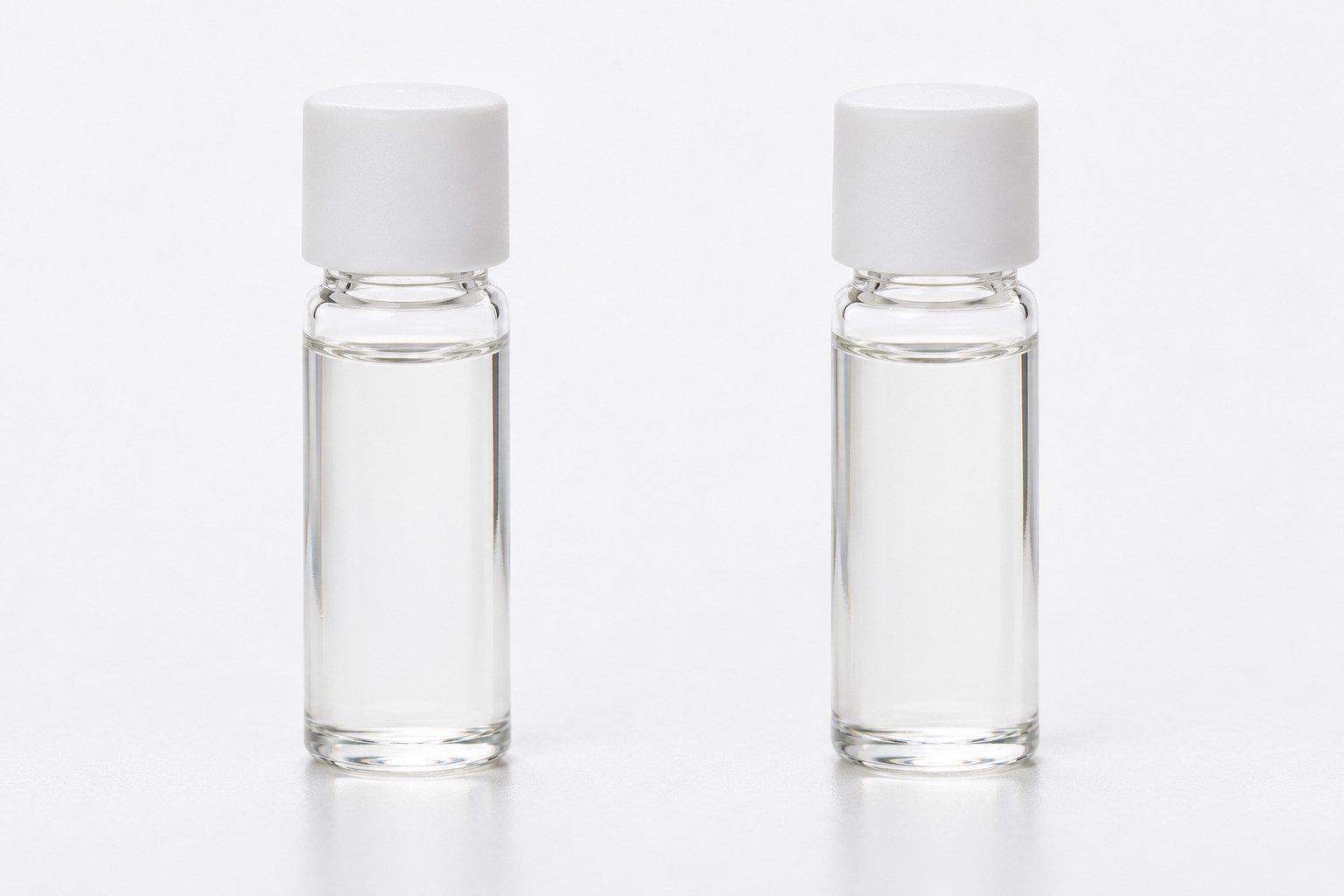
Document the identity of the two ethanol grades
Record the two suppliers, grades, lot references and approved material specifications. Have the product team review relevant differences, including any declared denaturants and water specification, instead of relying on a general description such as perfumer’s alcohol. The FDA’s cosmetics checklist is a useful reference for material identity, lot records and qualification practices in a U.S. context, not a substitute for your applicable requirements. Source: FDA: Good Manufacturing Practice Guidelines for Cosmetics
Set up a controlled finished-perfume comparison
Compare a retained approved formula with a candidate made under the same validated process where possible. Keep oil lot, other ingredients, packaging and conditions matched. A freshly made candidate should not be judged against an older reference without documenting that difference. If additional changes are unavoidable, flag them; this is then a comparison of two finished systems, not a supplier-only comparison.
Check visual appearance on its own
Use the same container geometry, background and light for both samples. Record clarity, visible haze or separation and color at the agreed checkpoints. A clear sample can have a tint; a colorless sample can be hazy. Avoid combining those two judgments. If an unfragranced vehicle comparison helps, evaluate it separately rather than substituting it for finished perfume.
| Check | Keep comparable | Record separately |
|---|---|---|
| Material identity | Approved specification and lot information | Supplier and grade differences |
| Appearance | Container, background, light and age | Color, clarity, haze or separation |
| Scent | Carrier, application and timing | Recognition, intensity and deviations |
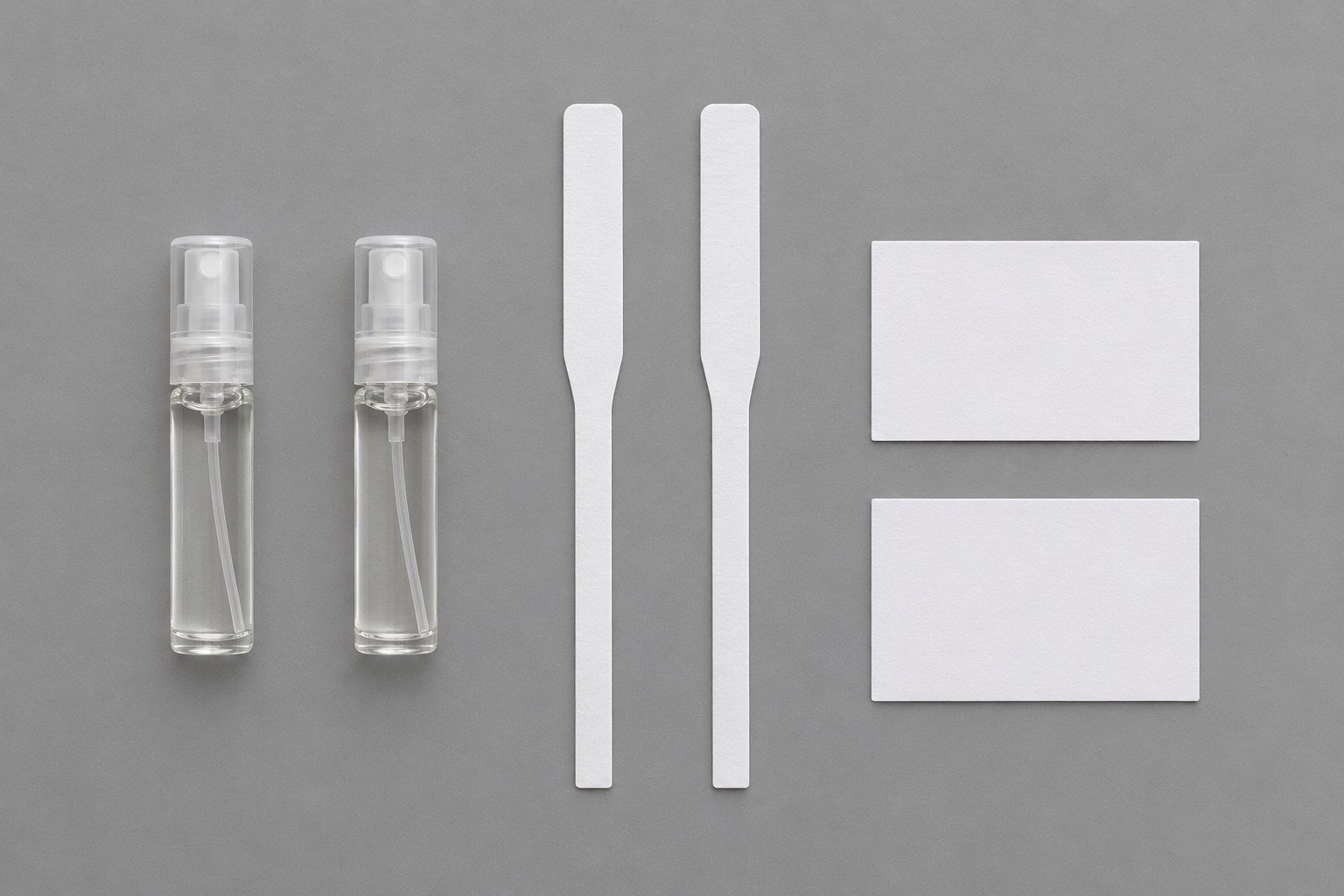
Evaluate scent on the same carrier and timeline
Use your approved finished-product sensory procedure and identical carriers, application methods and observation points. Compare opening and later character and strength against the project brief. Don’t interpret raw ethanol by direct sniffing or change dose to hide a difference. Ethanol is flammable; use your site’s approved handling procedure and supplier safety information. Source: NIOSH Pocket Guide: Ethyl Alcohol
Investigate a reproducible difference one variable at a time
If only the candidate develops haze or a different opening, review ethanol identity, manufacturing records and sample age before requesting an oil modification. Run a targeted follow-up with the team. If both samples change, look for an issue in shared conditions. Record where the effect occurs, not just whether a reviewer preferred one sample.
Approve only the tested scope
Document supplier and lot, fragrance version, vehicle, process, pack, ages, appearance, sensory observations and authorized release decision. Indicate whether it covers a pilot lot or the approved production scope. A match in a single test does not establish equivalence for a different perfume formula. Share the actual comparison with the fragrance supplier if a revision is warranted.
Frequently Asked Questions
Does a supplier change always require a new fragrance?
No. Start with the same fragrance version and use the finished-product comparison to decide whether any revision is needed.
Is a clear appearance enough for release?
No. Appearance and sensory results are separate from the other release requirements for the finished perfume.
Should I compare a new bottle with an old reference?
You can retain that reference, but document the difference in age and use matched ages where possible to isolate the supplier change.
Related Guides and Application Support
- Fragrance Oil Stability Testing: How to Check Compatibility Before Mass Production
- Fragrance Bottle Headspace vs Blotter: Why the Buying Questions Differ
Contact SHEAIN. Share your end-use application, target market and scent brief to discuss fragrance oil concentrate samples.


