

A driftwood fragrance accord can point to weathered wood by the shore without smelling mainly of seawater. To make the distinction useful, specify that dry wood is the main impression, then decide whether a mineral or sea-air effect belongs in the background. If a marine note is the first thing your team recognizes well after opening, the sample may fit a seaside brief but miss a wood-led one.
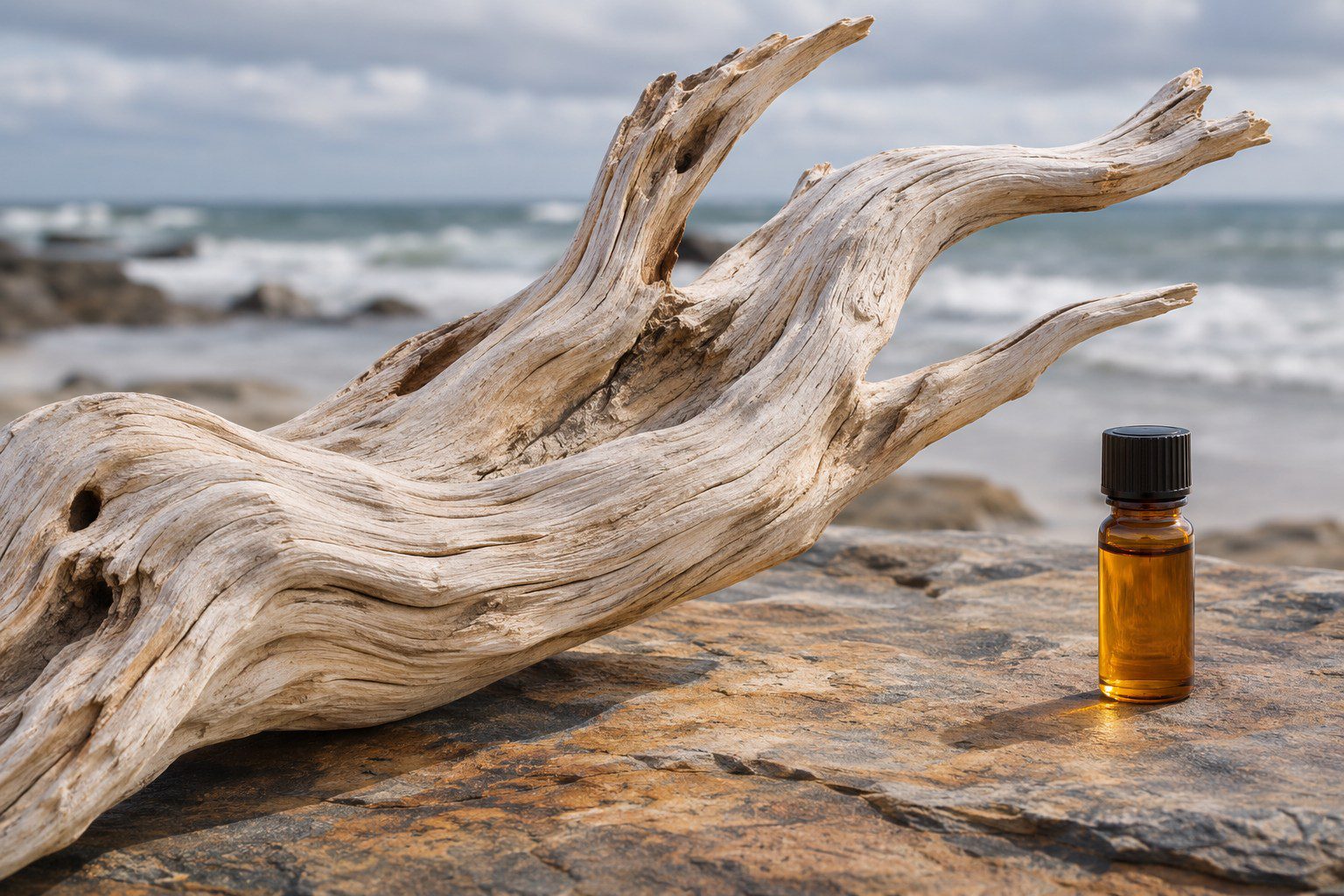
Define what ‘weathered wood’ means for this product
Choose a sense of dry grain, pale wood or a quiet worn surface, and describe how much warmth you want. These are sensory associations, not specifications for a timber species. Also note what goes too far: smoke, damp wood or an overtly resinous effect. A brief with one leading quality and one exclusion is easier to check than a photo of a beach alone.
Describe salt as a supporting impression
A salt-like or marine cue can suggest the setting without taking over the composition. Decide whether you want a faint mineral edge, an obvious wave of sea air, or no marine impression at all. A buyer can choose a dry wood with mineral background and explicitly exclude a generic aquatic profile. None of those descriptions says that the concentrate contains salt.
| Brief | Expected main impression | Reason to revise |
|---|---|---|
| Dry driftwood | Weathered dry grain | Marine freshness takes over |
| Driftwood with sea air | Wood with a limited mineral accent | Cool lift never gives way to wood |
| Sea-salt-led reference | Open-air mineral or aquatic impression | Not a good fit if the target is a wood-led product |
Use a sea-air reference to make the choice meaningful
Compare two wood-led routes with one sea-air reference on matched blotters. Keep sample names hidden at first. Have reviewers describe the main note independently and say which sample they would associate with wood rather than open water. If all three smell aquatic to the panel, ask the supplier to move the main impression toward dry wood before changing the strength.
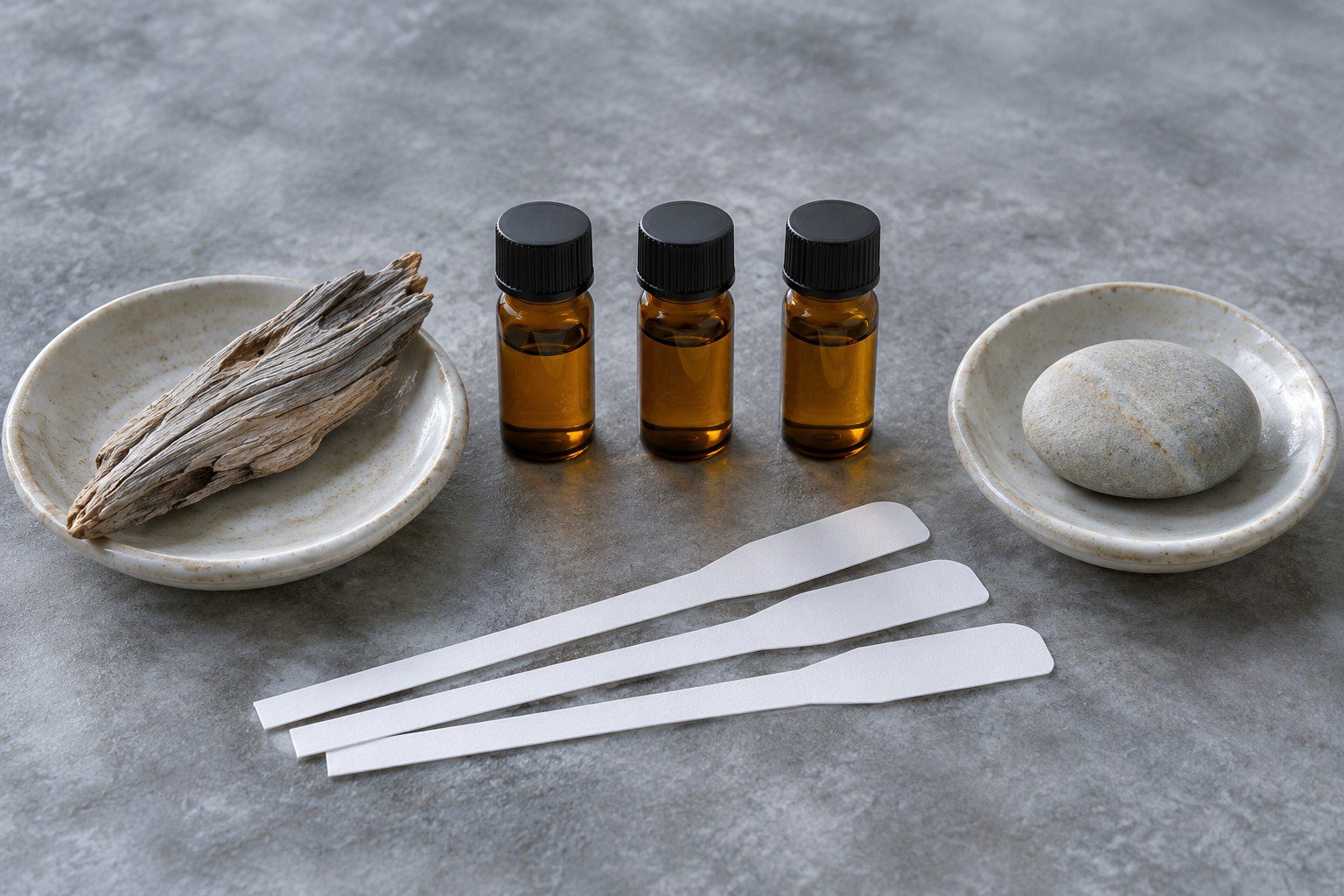
Check the hierarchy after the opening
A cool lift at the start can be useful. Record whether wood becomes clearer later or whether the fresh impression remains in front. Decide which stage matters for the intended product. Two samples that both open with sea air can give different answers if one settles to dry wood and the other continues to smell like a marine freshener.
Look for interference from the unscented base
Compare the short list in the intended base against a blank from the same lot under the approved evaluation procedure. If the base already smells fresh, sweet or waxy, record it. Watch whether the perfume still produces a distinct wood impression at the chosen stage. This is an olfactory comparison for a particular product, not proof of stability or compatibility in other bases.
Use a revision note with a clear scope
A usable instruction might be: ‘D2: keep the dry grain at the later check. Reduce the aquatic effect on the opening. Leave faint mineral freshness.’ Include the sample version, target market and product format with the request. Keep a separate brief for a sea-salt-led product so the two identities do not merge through successive edits.
Frequently Asked Questions
Does a driftwood fragrance have to be marine?
No. A supplier can use a weathered wood direction with little or no marine background, depending on the brief.
Does a sea-salt note mean the oil contains salt?
No. It describes a perceived note. Composition requirements should be checked against the documents for the supplied sample.
How do I distinguish driftwood from a typical aquatic fragrance?
Use a coded comparison and ask which impression dominates at the relevant use stage. In a wood-led brief, wood should remain recognizable.
Related Guides and Application Support
- Pine vs Fir Fragrance Oil: Compare Needles, Resin and Wood
- Fragrance Bottle Headspace vs Blotter: Why the Buying Questions Differ
Contact SHEAIN. Share your end-use application, target market and scent brief to discuss fragrance oil concentrate samples.


