

Laundry fragrance sampling locations on fabric should be chosen before panelists smell the items. A result near a thick seam, on the outer face or on the inside surface may not represent the whole garment. The job is to separate genuine location differences from differences in how people handled or selected fabric points. Use an agreed set of locations and report results at each one.
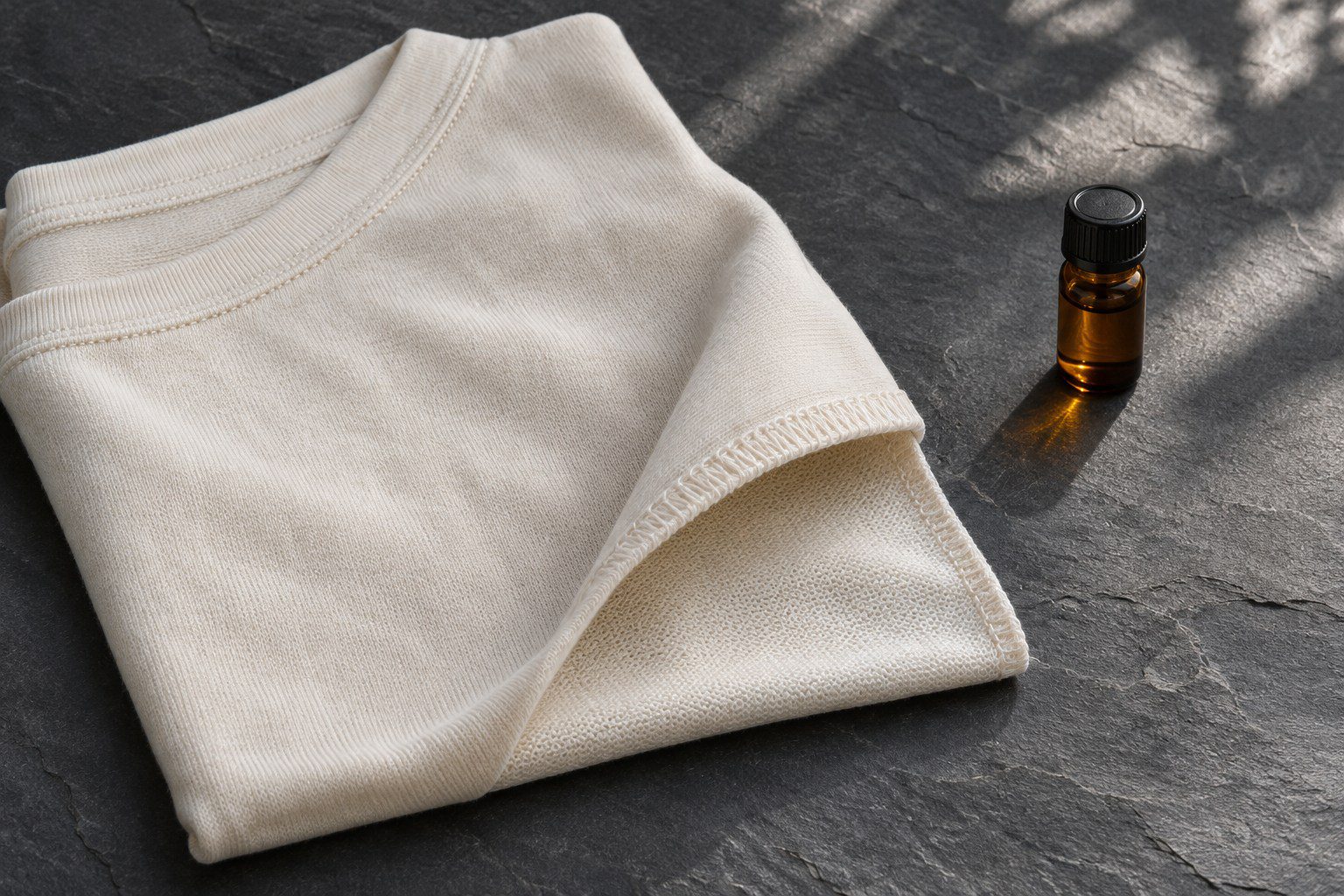
Map one flat face area and its matching reverse
Choose an accessible flat area that represents the material used in the product trial. Mark the corresponding reverse location in the sample record without changing the fabric or introducing a strong marker odor. Decide which side is usually exposed or handled. If one evaluator samples the front hem and another the inside center, those results do not compare the same location.
Treat seams, hems and folds as separate locations
Construction changes thickness and exposure, so record any seam or fold separately instead of averaging it with a flat area. Include it only if it is relevant to the customer’s experience. A concentrated smell at a seam may be informative without supporting a claim for the entire garment. Report which nearby material and construction were examined.
| Location | How to compare | Reporting boundary |
|---|---|---|
| Flat face | Repeat at an agreed point | One face area, not the entire garment |
| Matching reverse | Assess the opposite side at the corresponding point | Keep separate from hem or fold |
| Seam or hem | Use a separately defined point | Local observation only |
Keep wash and after-wash conditions comparable
Use the agreed detergent and procedure for the selected fabric and record washing, drying, storage and time of assessment. Treat a change in fabric type, folding or storage as a condition difference. Do not compare a folded item to one freshly removed from drying without noting how the histories differ. A matched unscented or retained reference can provide a background comparison.
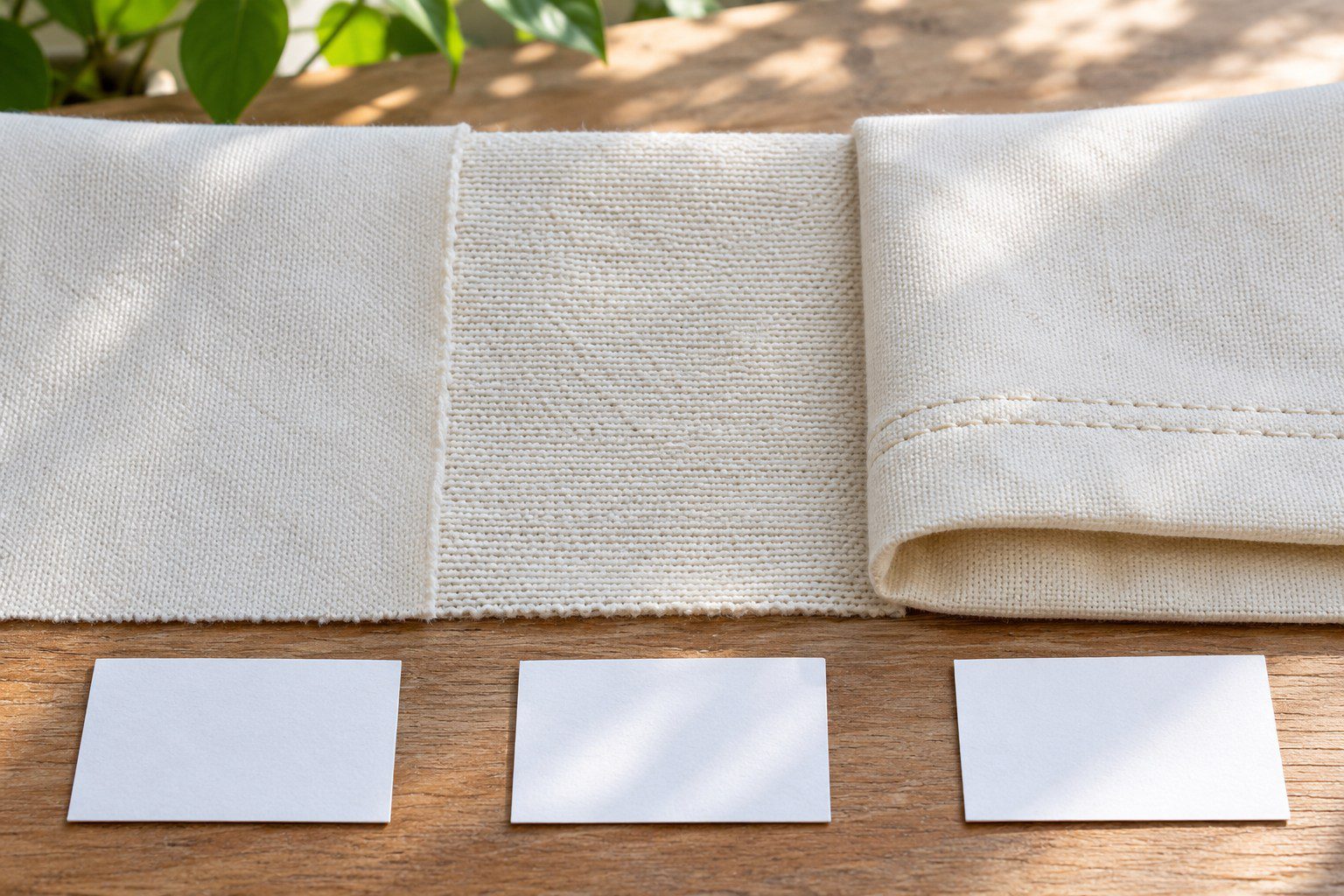
Separate location and evaluation order
Code the samples and choose a consistent or balanced order for checking sides so the first sniff does not automatically belong to the same location. Give reviewers a clear instruction about which point to evaluate without telling them what they are supposed to smell. Keep handling and the assessment method consistent within the approved product procedure. Record any skipped or unrepeatable point.
Read the map before drawing a conclusion
If the face smells stronger than the reverse, check whether the difference repeats at matched locations and times. A single higher score near a seam should be described as local. Separate whether the fragrance can be recognized from how strong it is. If different fiber types are involved, compare within each type before generalizing to the full wash load.
Send a specific point-by-point report
Report fragrance version, detergent base, fabric construction, washing and drying conditions, time and mapped front, reverse and seam readings. State where the difference repeated and where it did not. For example: ‘The dry outer face remains recognizable, but the matched reverse of this construction is below our target.’ That helps decide whether to revise the brief or examine the method.
Frequently Asked Questions
Should I average front and reverse?
Report them separately first. Average only if your acceptance criteria define a meaningful combined result.
Is a seam enough to claim lasting fragrance?
No. Compare relevant representative areas and assessment times as well.
What does the fragrance supplier need?
Sample version, wash base, textile, point map, time of assessment and which differences reproduced.
Related Guides and Application Support
- Fragrance Oil for Liquid Laundry Detergent: Stability and Wash Tests
- Hard Water Fragrance Testing for Laundry and Cleaning Products
Contact SHEAIN. Share your end-use application, target market and scent brief to discuss fragrance oil concentrate samples.


