

A cypress fragrance oil scent brief is clearer when it distinguishes the cool impression of foliage from the dryness of wood. If the label only says ‘cypress,’ one sample might feel brisk and green, another dry and woody. Tell the supplier whether freshness should lead, whether dry timber should remain afterward, and which neighboring notes would take the sample away from your concept.
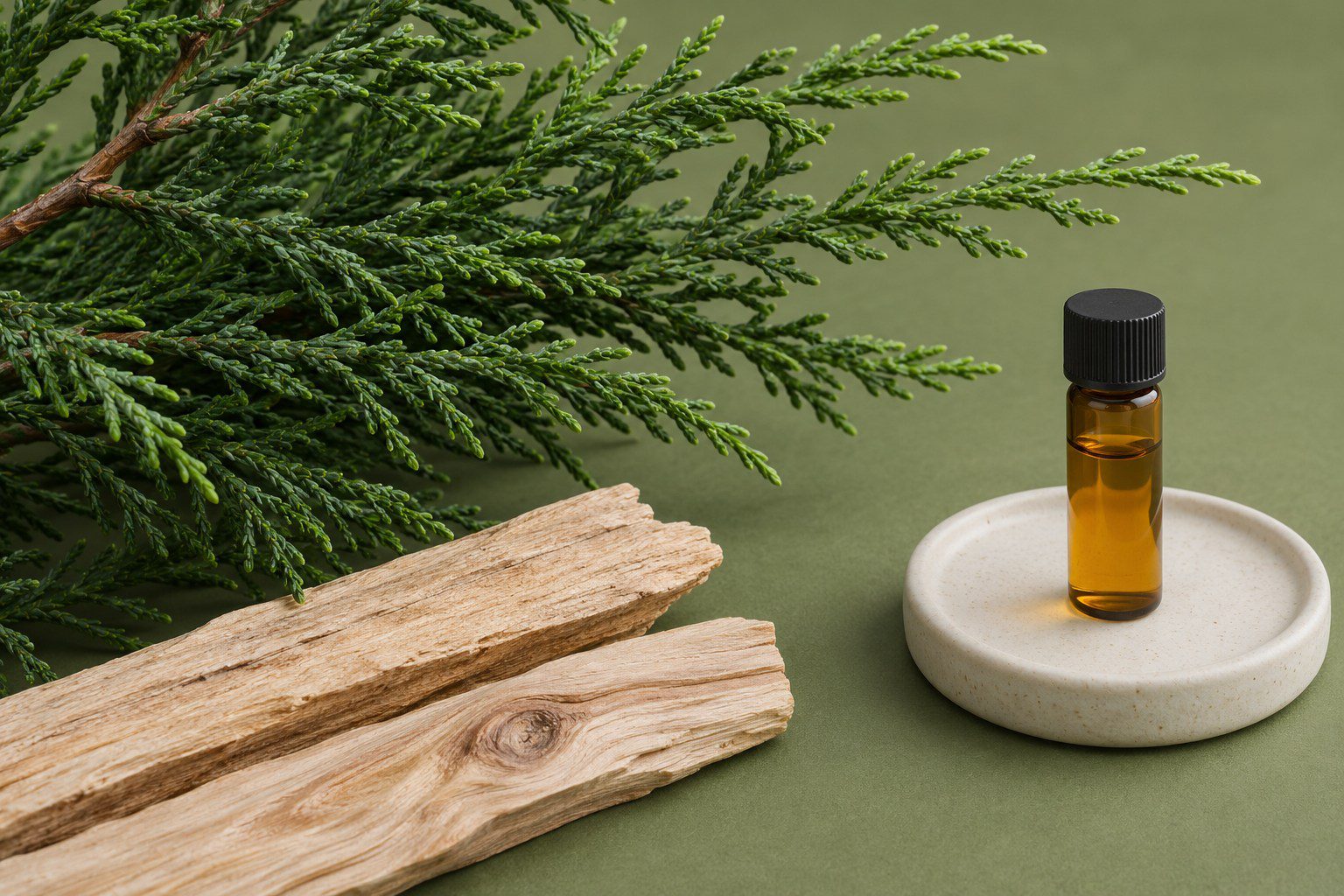
Define a foliage impression without requesting a stronger smell
For a cool foliage direction, describe the green effect you are seeking: fresh branch tips, a brisk opening and a clear impression rather than more overall strength. Set an upper boundary on sharpness. A reviewer may otherwise describe the opening as medicinal or cleaner-like. Ask for a particular character and evaluate intensity as its own criterion.
Specify dry wood as a different target
A dry-wood direction should not be judged by how green it smells. Ask whether the later impression suggests dry timber or whether it is dominated by resin, smoke or sweetness. Choose which is acceptable for your product. A sample can have the right dryness and still be too smoky for the brief; that calls for a character revision, not necessarily a weaker version.
| Target | Acceptable direction | Reason to revisit |
|---|---|---|
| Cool foliage | Brisk green impression with a recognizable branch character | Medicinal sharpness or generic cleaner effect |
| Dry wood | Dry timber, distinct from sweetness or smoke | Resin, smoke or sweetness becomes dominant |
| Green into wood | Opening lifts, then wood is recognizable at the agreed check | Either half of the transition goes missing |
Use an adjacent reference to catch identity drift
Choose a pine-like or cedar-like fragrance reference your team already knows. It is a comparison tool, not a botanical identification exercise. Put the references and candidate samples on matched blotters with neutral codes. Record what separates the chosen cypress direction in the panel’s words. If reviewers consistently group all of them as generic forest, define a more specific green or dry-wood cue before repeating the trial.
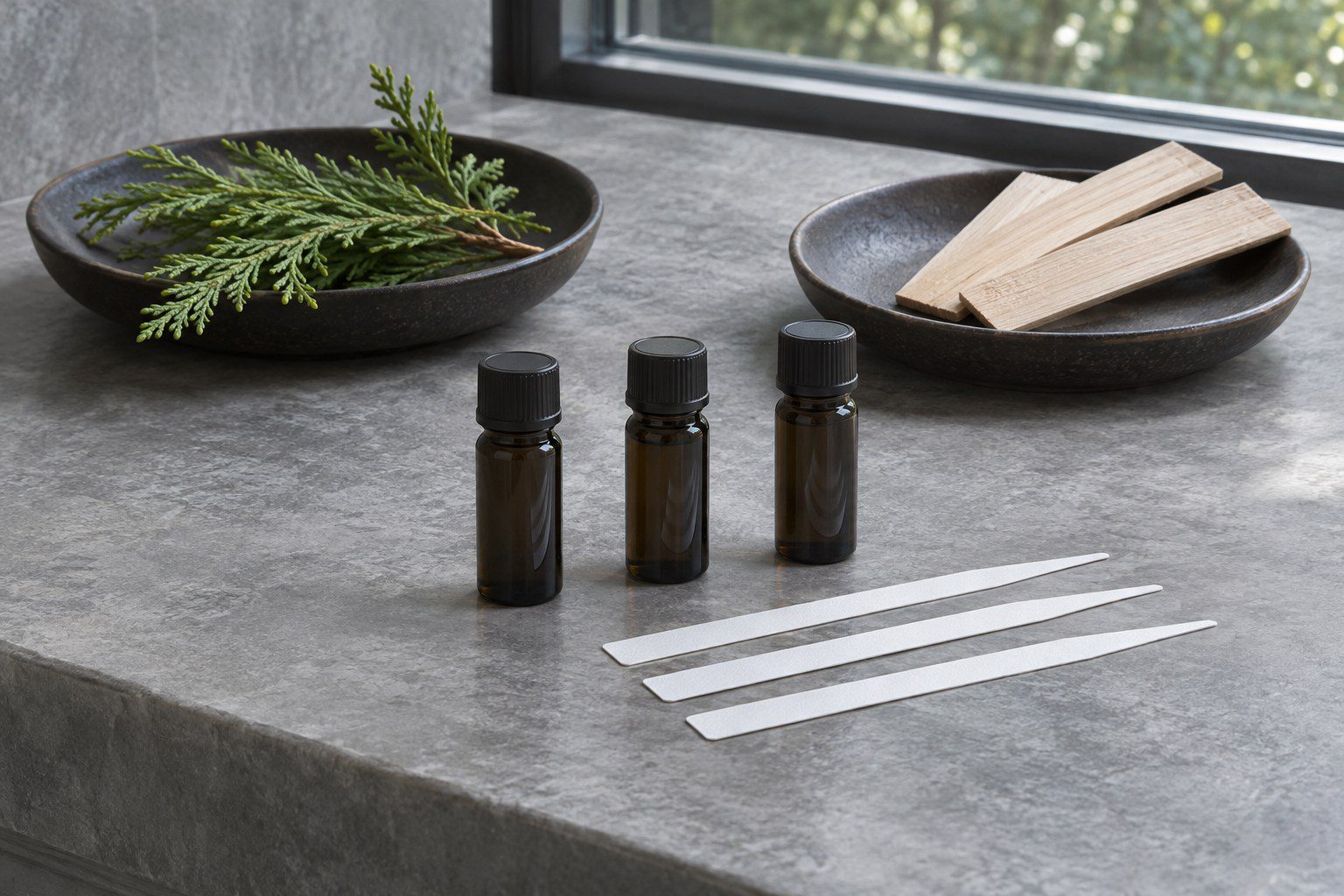
Record the timing of the green-to-wood transition
Evaluate at an agreed opening check and later check. Note how the first and second impressions change. For a foliage-led brief you may want a recognizable green edge to remain when wood becomes more apparent. For a timber-led brief, a short green lift can be enough. Put the transition and its timing in the notes; the same average score can conceal both a promising and a poor sample.
Check how much of the effect comes from the base
Carry the chosen direction into the intended product and use an unfragranced reference of the same base lot. Keep the preparation and conditions consistent under the approved procedure. If the base already adds sweetness or dryness, describe that separately. Judge fragrance character at the use stage that matters instead of assuming the same profile will carry from a bottle or a blotter.
Use an approval statement you can repeat
A workable brief names the application, market, sample version, desired character, exclusion and check point. For example: ‘C4: cool green start; clear dry wood when reevaluated; no smoke-like impression.’ A name such as cypress defines the idea, not whether the compound contains a particular natural oil or whether it qualifies for the customer’s end use.
Frequently Asked Questions
Is cypress the same as pine in a fragrance brief?
No. Use a familiar pine reference to check separation, and define the green or woody character instead of relying on plant names alone.
Should I specify the wood is dry?
Yes if dryness is critical. State whether you want fresh-cut timber, softer wood, or a more resinous base instead.
Can one check in the bottle be enough?
Not for a product approval. The bottle gives one screening impression; confirm the selected version in the intended base and use stage.
Related Guides and Application Support
- Pine vs Fir Fragrance Oil: Compare Needles, Resin and Wood
- Fragrance Bottle Headspace vs Blotter: Why the Buying Questions Differ
Contact SHEAIN. Share your end-use application, target market and scent brief to discuss fragrance oil concentrate samples.


