Fragrance Oil Dual Sourcing Qualification: Use One Reference Without Assuming Equivalence
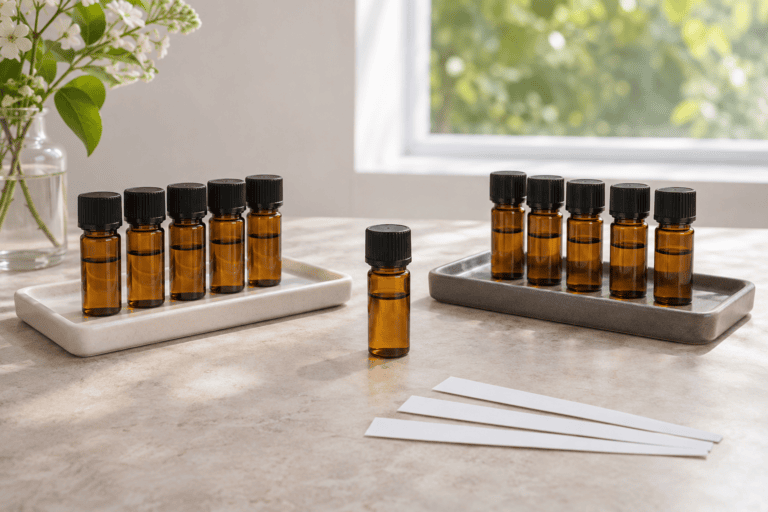
Plan fragrance oil dual sourcing qualification with one reference, separate supplier codes and actual application trials before approving a second source.




Plan fragrance oil dual sourcing qualification with one reference, separate supplier codes and actual application trials before approving a second source.

Use fragrance oil reorder point planning to connect product demand, approved fragrance dosage, usable stock and purchasing lead time without a false universal rule.
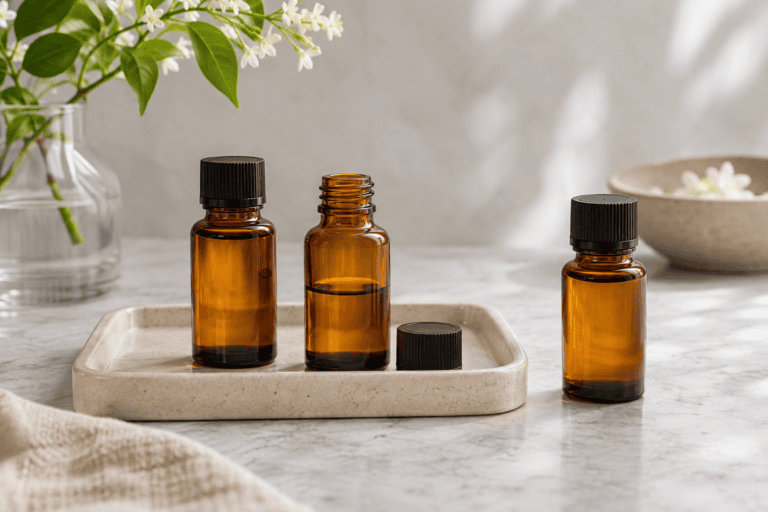
Compare opened vs unopened fragrance oil storage with matched lot, container and handling records, separating an approved shelf life from actual in-use history.

Manage multilingual fragrance brief translation with shared reference codes, agreed sensory vocabulary and separate composition and performance requirements.

Compare fragrance GC MS similarity vs sensory match without treating a chromatogram score as proof of identical odor, application performance or composition.

Plan a custom fragrance development budget by separating creative revisions, application trials, documentation, pilot work and agreed commercial milestones.
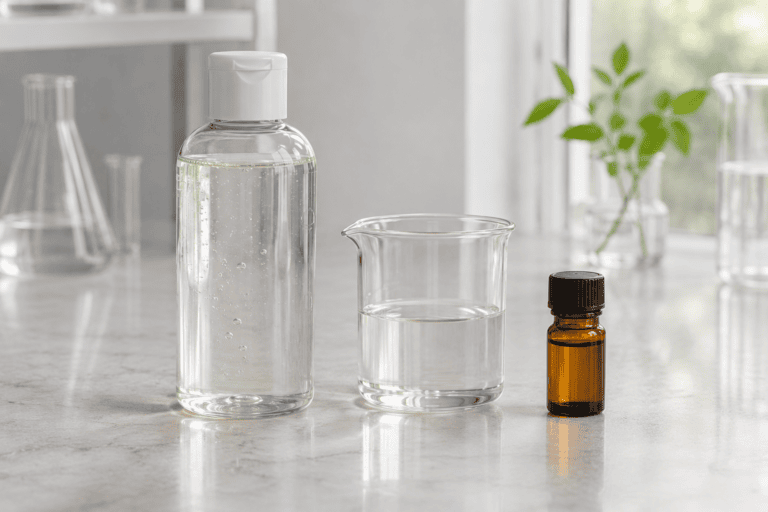
Choose fragrance oil for clear shampoo by comparing the actual surfactant base, solubilization approach and stored appearance rather than concentrate clarity alone.
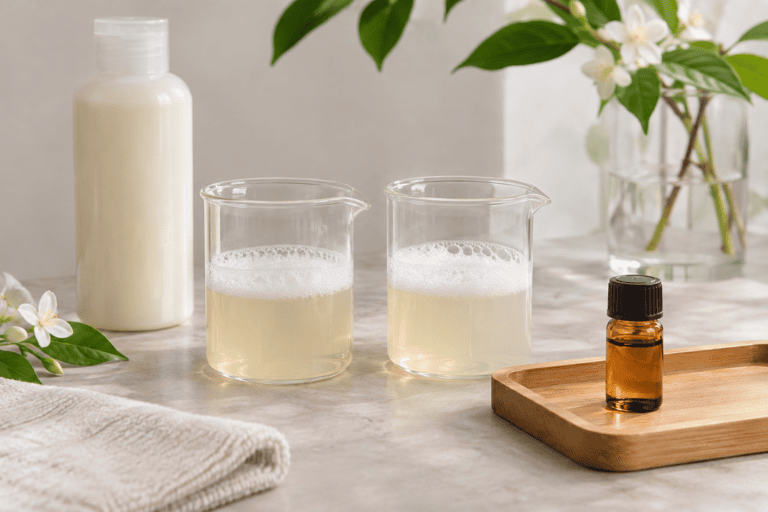
Evaluate shampoo fragrance foam compatibility with a matched unscented base, documented dilution and agitation, and separate scent and foam acceptance criteria.
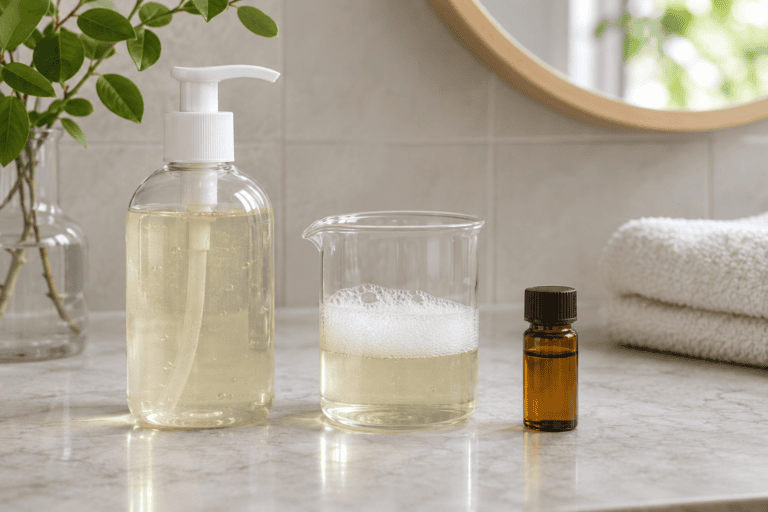
Assess body wash fragrance bloom during use with a controlled bottle-to-dilution comparison, documenting base, water conditions and the relevant sensory stage.
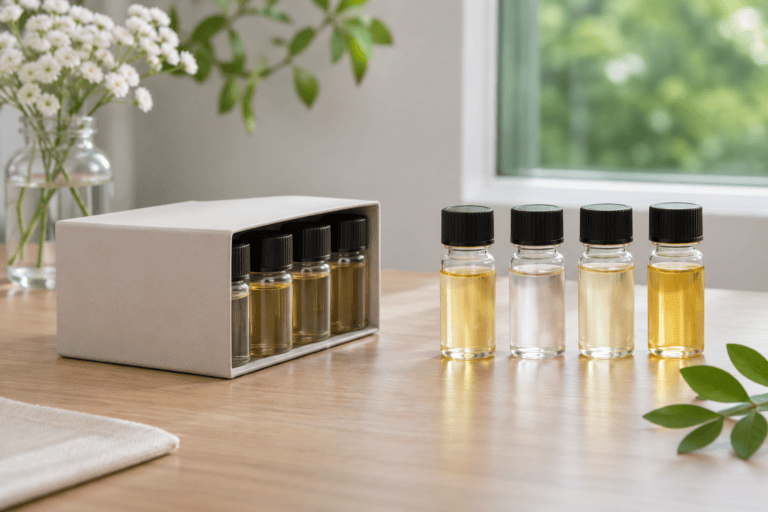
Plan fragrance oil light stability testing with documented exposure, protected controls and relevant packaging instead of treating a sunny-window photograph as proof.


