Cypress Fragrance Oil Scent: Cool Foliage or Dry Wood?
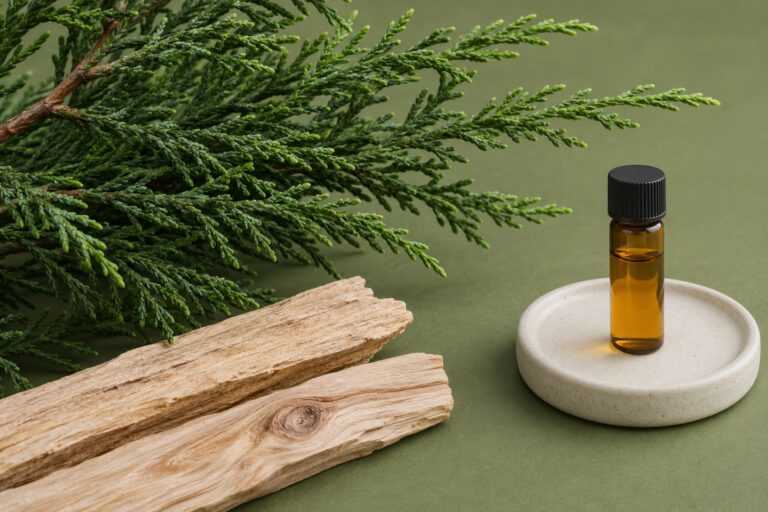
Compare cypress fragrance oil scent samples for cool foliage, dry wood and resin-like depth. Define the distinction before choosing a sample.




Compare cypress fragrance oil scent samples for cool foliage, dry wood and resin-like depth. Define the distinction before choosing a sample.
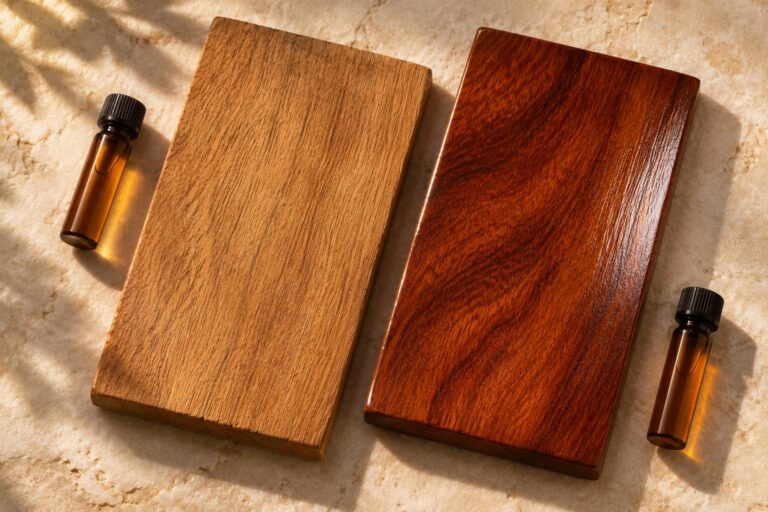
Compare teakwood vs mahogany fragrance samples by perceived dryness, polish and warmth. Define the differences before approving a woody fragrance oil.
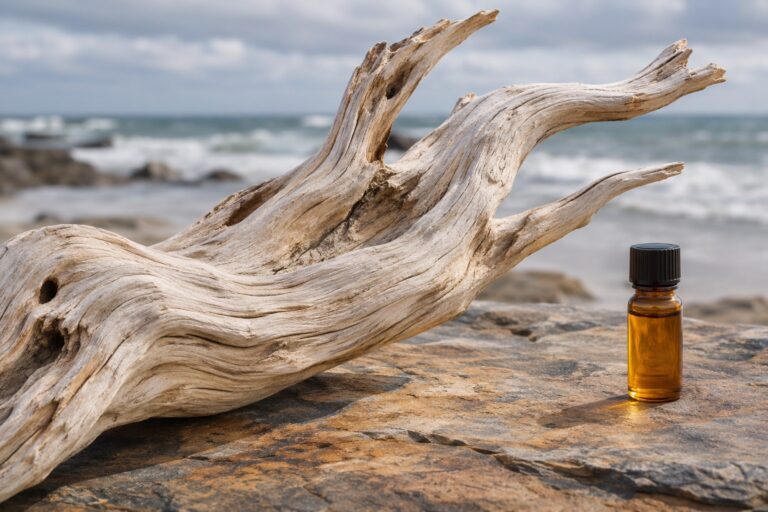
Write a driftwood fragrance accord brief around weathered dry wood. Set the role of sea-salt and marine notes, then compare samples in the final base.

Plan diffuser fragrance testing near store entrances around door cycles, spot checks and an interior comparison point. Compare oil samples fairly.
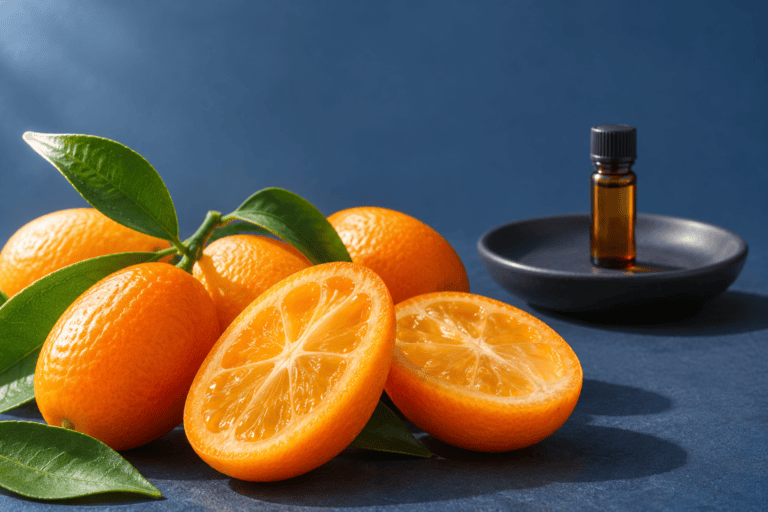
Compare kumquat fragrance oil scent samples by peel, pulp and sweet finish. Define a fresh whole-fruit or candied citrus direction before approving a sample.
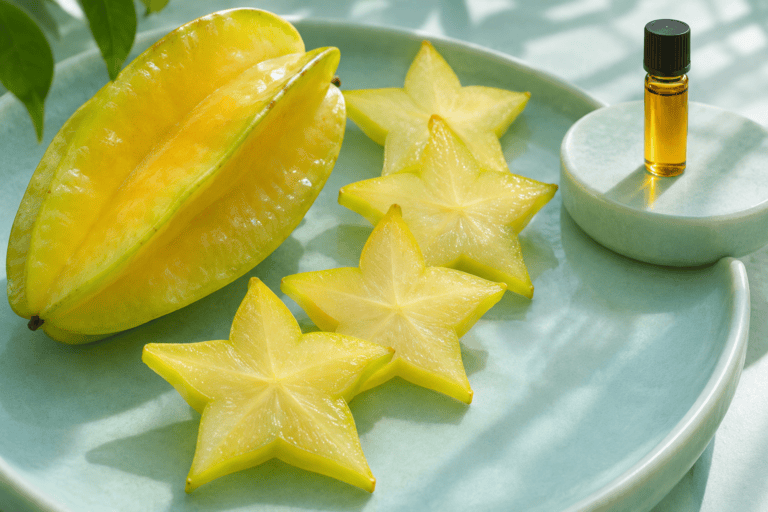
Brief a starfruit fragrance accord with a clear balance of watery fruit, green skin and tartness. Compare samples and define where each note should appear.
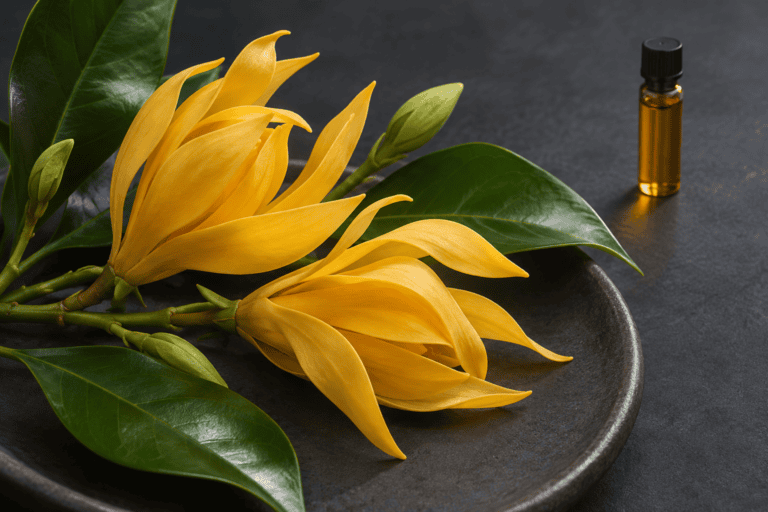
Compare champaca fragrance oil scent samples by petals, tea and warm wood. Decide which note leads, then confirm the balance in your product base.
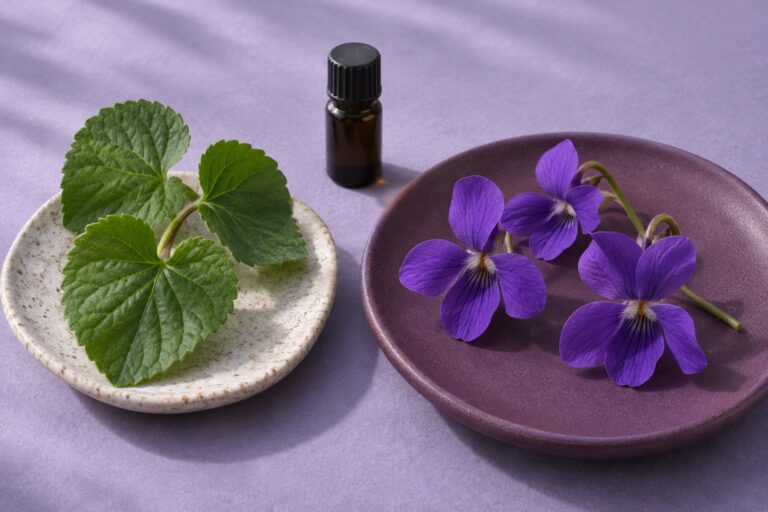
Compare violet leaf vs violet flower fragrance samples. Identify green foliage, soft powder and floral character before approving a sample in your base.
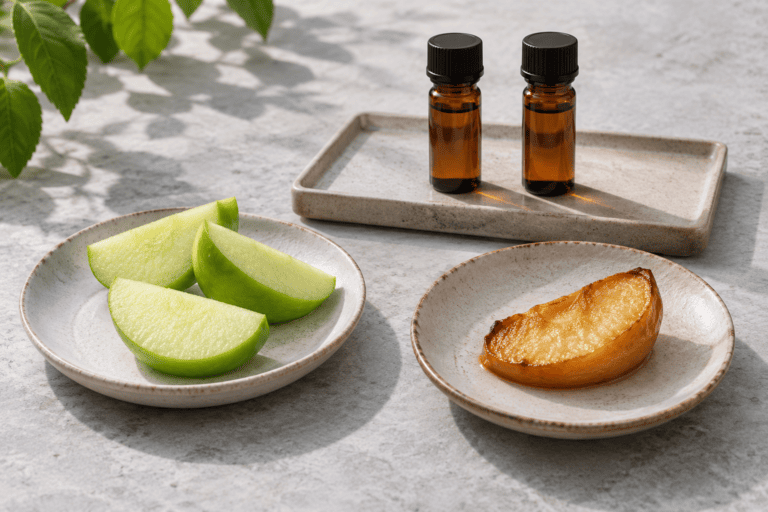
Compare green apple vs baked apple fragrance on blotters and in your product base. Learn what to specify before selecting a fragrance oil sample.
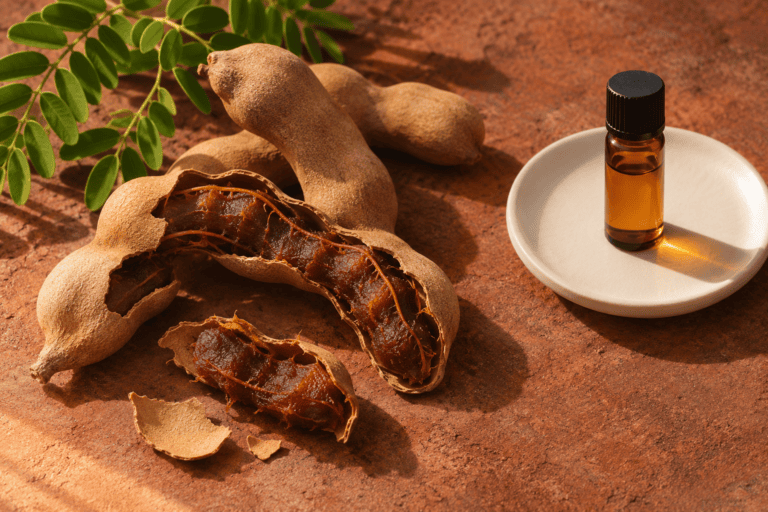
Build a tamarind fragrance accord brief around tart pulp, restrained sweetness and a dark fruit body. Compare three routes before choosing your sample.


