Blueberry Fragrance Oil Scent Profile: Fruit, Jam or Bakery?
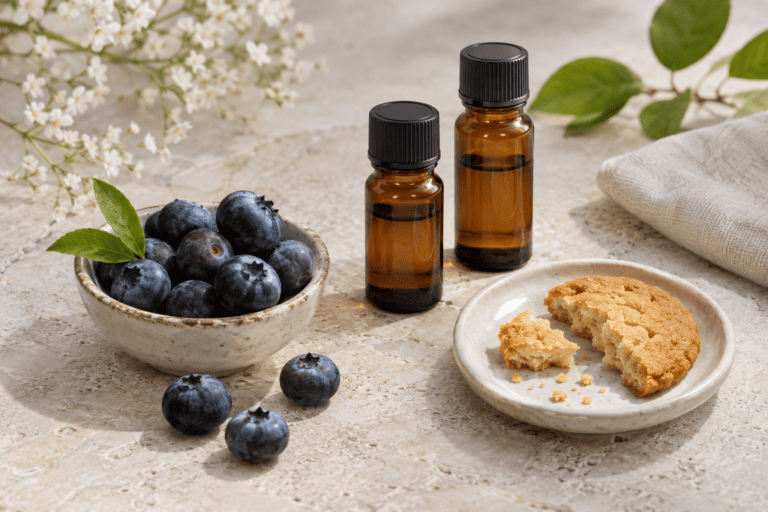
Separate blueberry fruit identity from jam, cream and bakery associations before choosing fragrance samples for a finished product.


Separate blueberry fruit identity from jam, cream and bakery associations before choosing fragrance samples for a finished product.
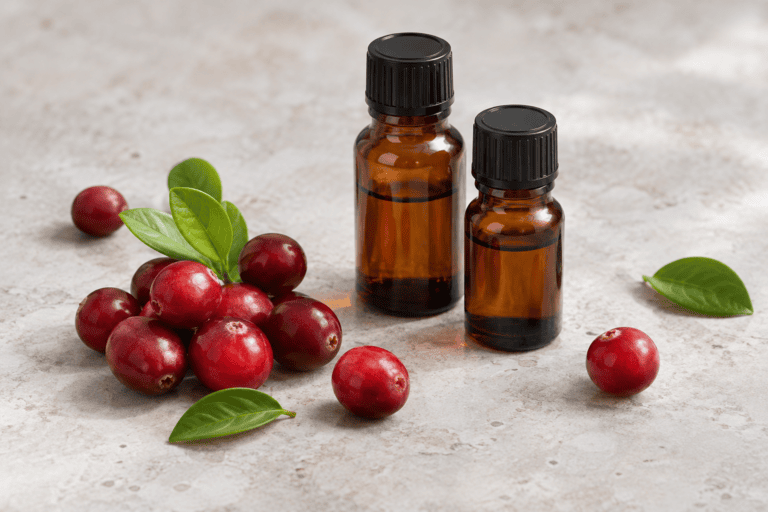
Brief cranberry fragrance oil through tart-fruit recognition, green contrast and supporting sweetness rather than a generic citrus-cleaner impression.
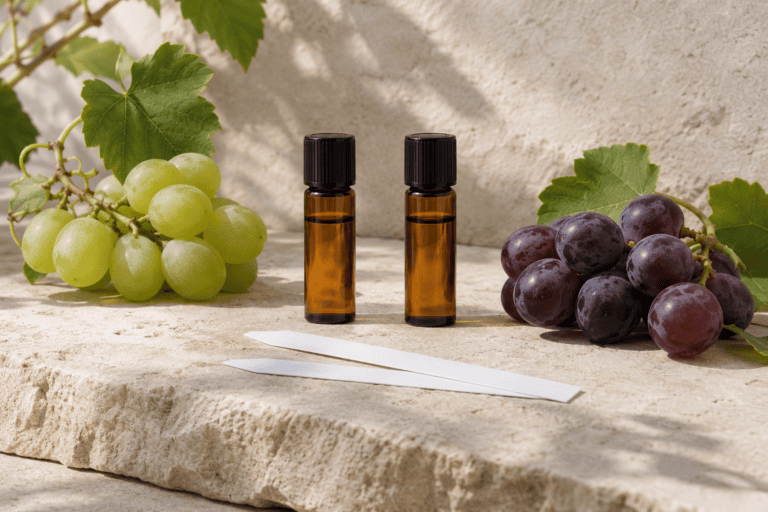
Define a grape fragrance oil scent profile by separating juicy fruit, dark-fruit associations and candy sweetness before application testing.
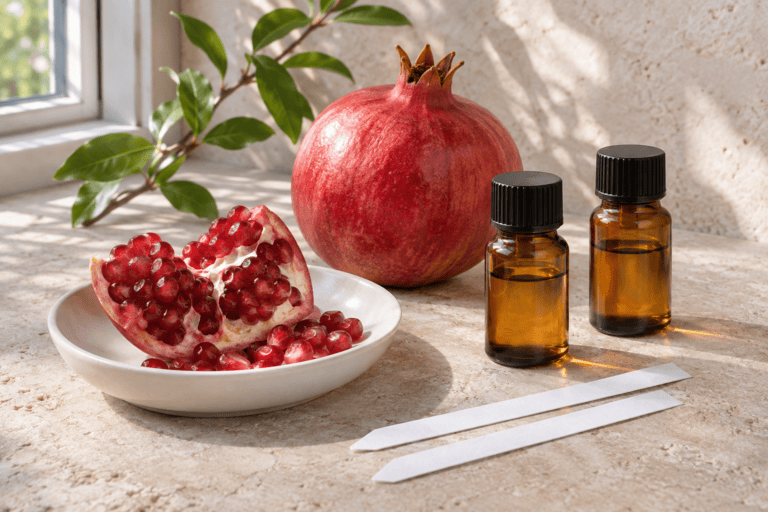
Compare pomegranate fragrance oil scent profile options through fruit recognition, peel-associated contrast and sweetness in your actual product base.
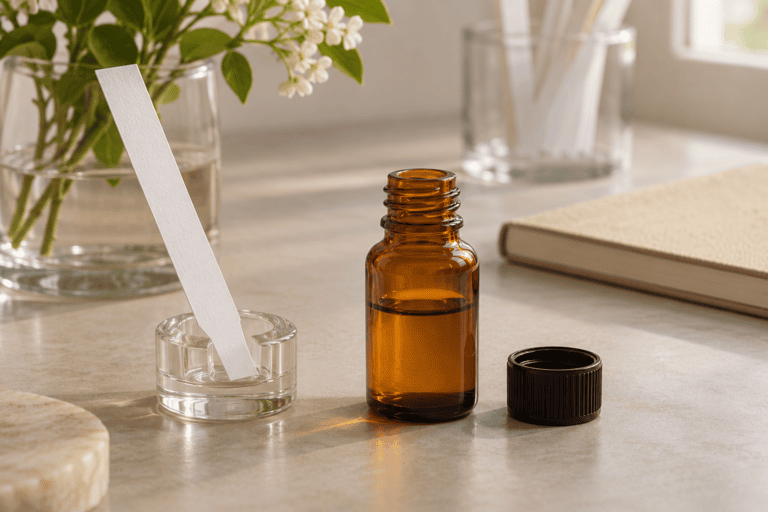
Compare fragrance bottle headspace vs blotter observations using consistent sample handling, timing and a separate finished-product decision.
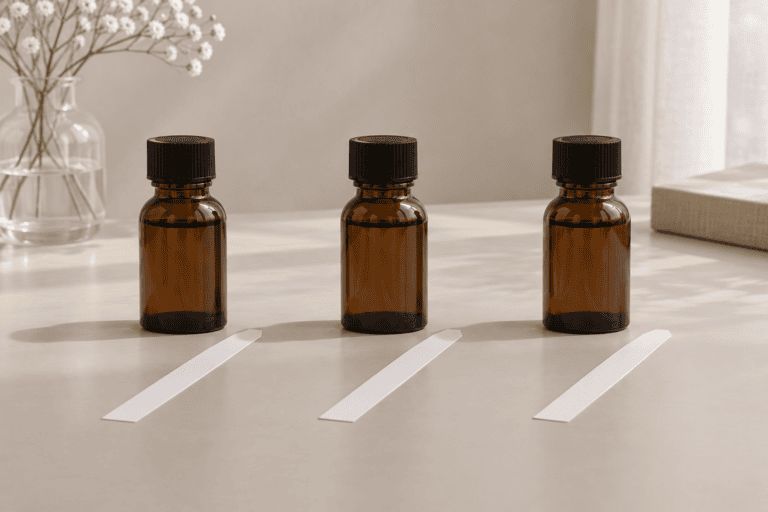
Use a fragrance triangle test for a defined discrimination question, with coded samples, a planned method and conclusions that do not overclaim.
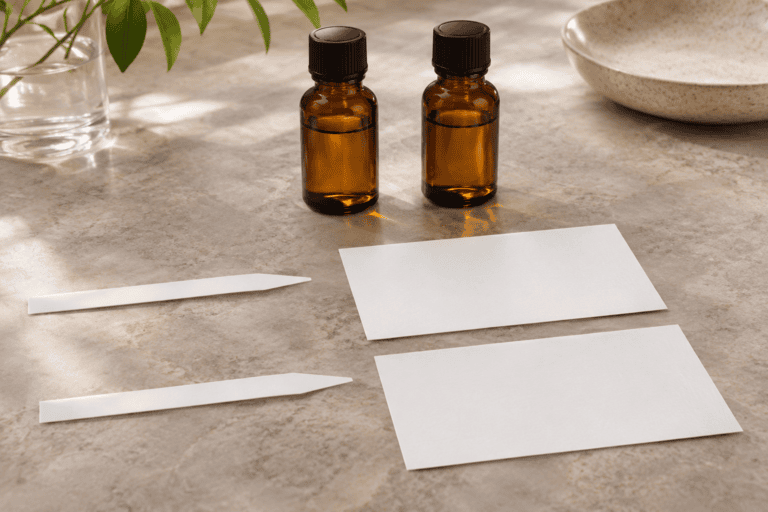
Separate fragrance intensity vs preference when reviewing samples so requests for stronger scent do not replace evidence about product fit.
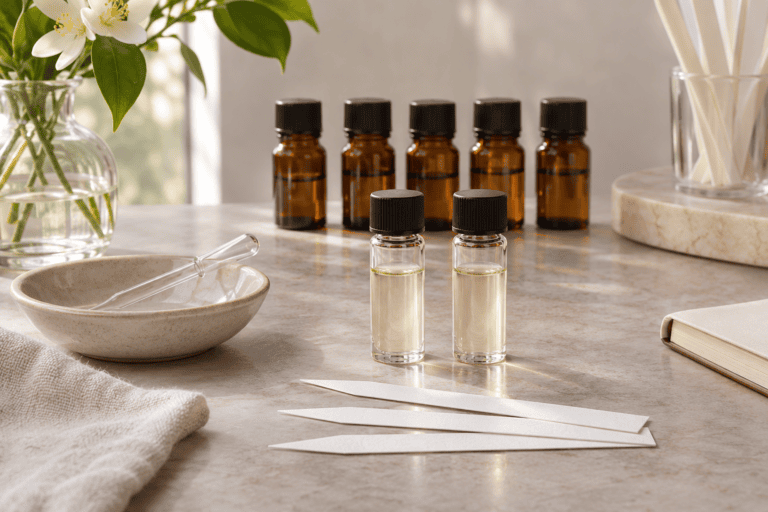
Distinguish fragrance reformulation vs dilution before comparing quotes, application levels, sensory results and revised supplier documentation.

Explore a mimosa fragrance oil scent profile through powdery softness, green lift and floral identity before selecting your application sample.
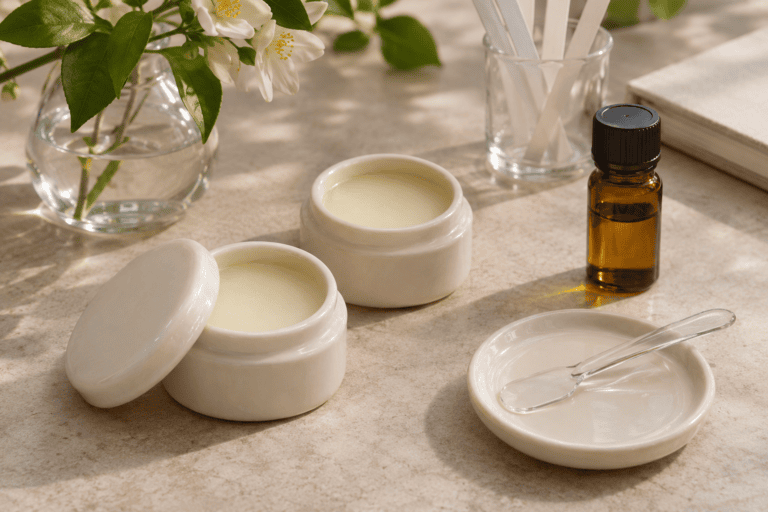
Select fragrance oil for solid perfume by checking scent, texture, process compatibility and packaging in the actual wax-and-oil base.


